
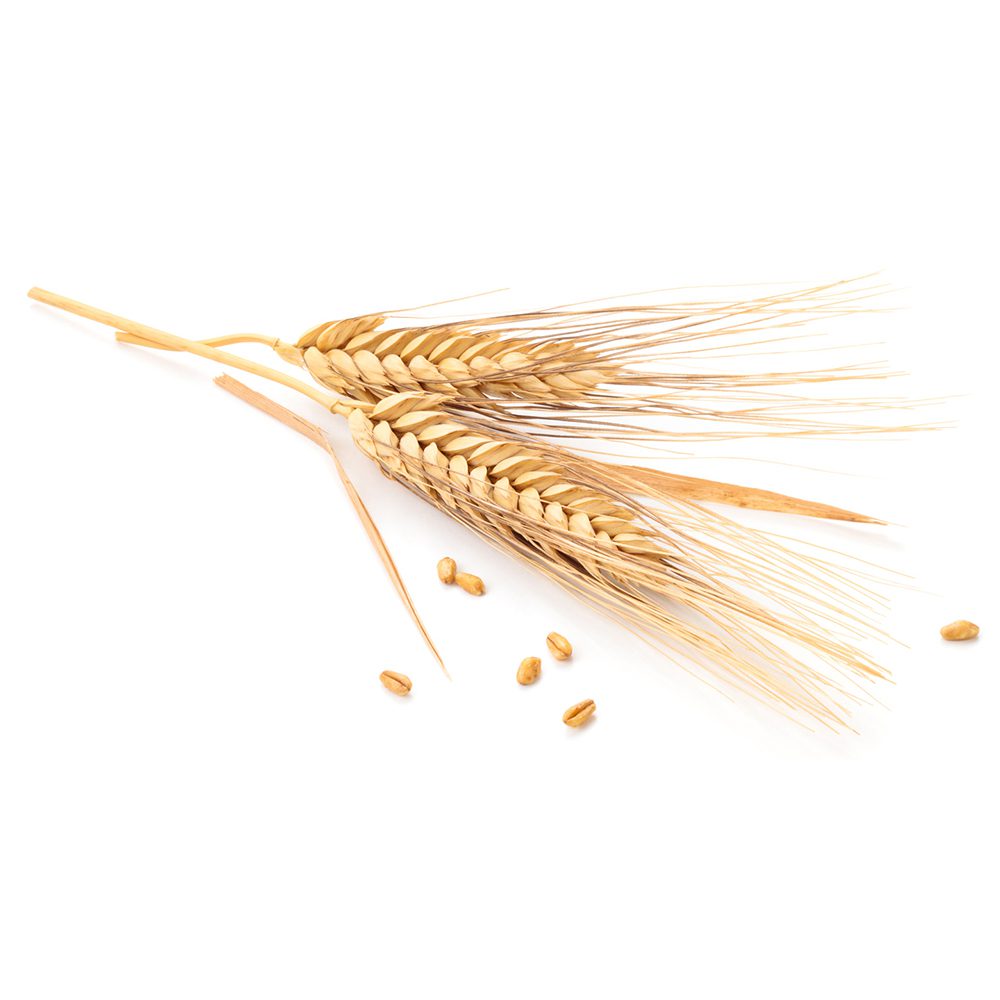
The origin of wheat dates back to remote antiquity. Although several species are known, the most widespread is Triticum vulgare, followed by Triticum spelta (spelt or dinkle wheat).
Wheat is native to ancient Mesopotamia and has been present in human societies for over 10,000 years.
From this region, it gradually disseminated across the globe. The development of bread-making is traditionally attributed to the Egyptians, who, around 4000 BC, discovered wheat fermentation. In Portugal, during the Neolithic occupation, documented at various sites and dated between the 6th and mid-4th millennium BC, the archaeological record includes ceramics, lithic artefacts (microlithic and macrolithic artefacts), axes, grinding equipment, and macrobotanical remains. These remains attest to the emergence of agriculture (cereals and legumes) alongside continued gathering practices (nuts, acorns and pine nuts).