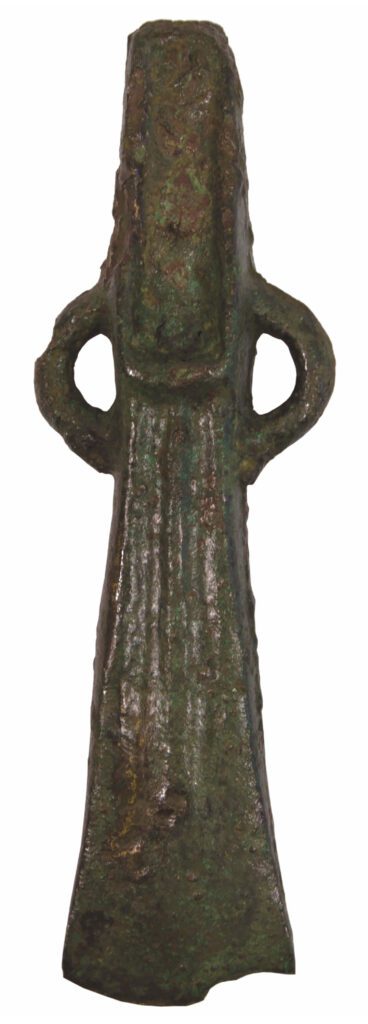
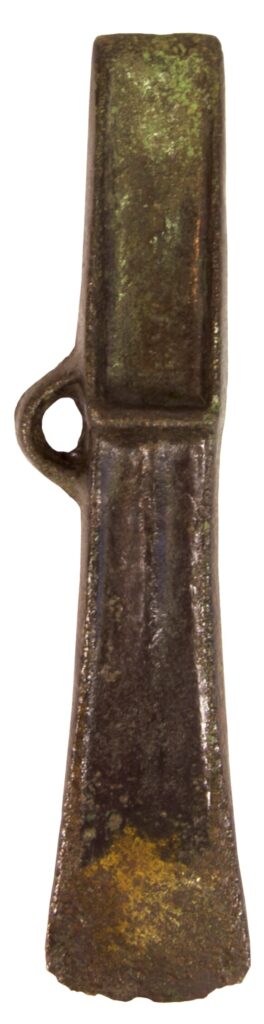
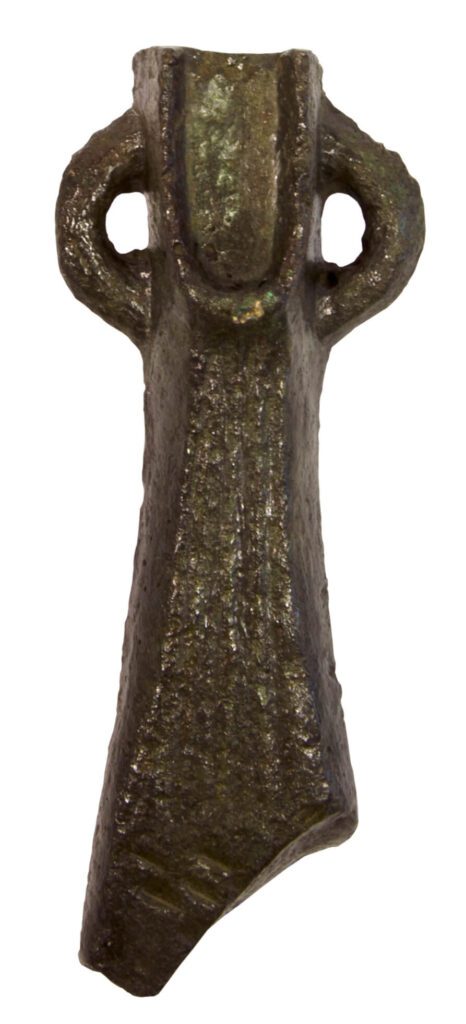
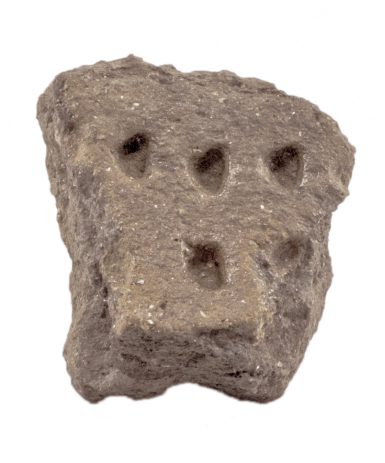
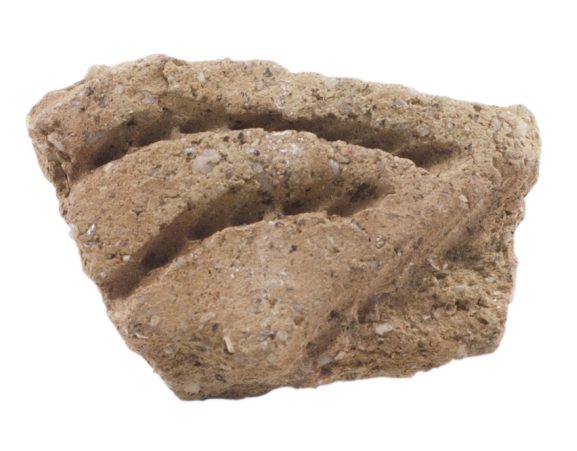
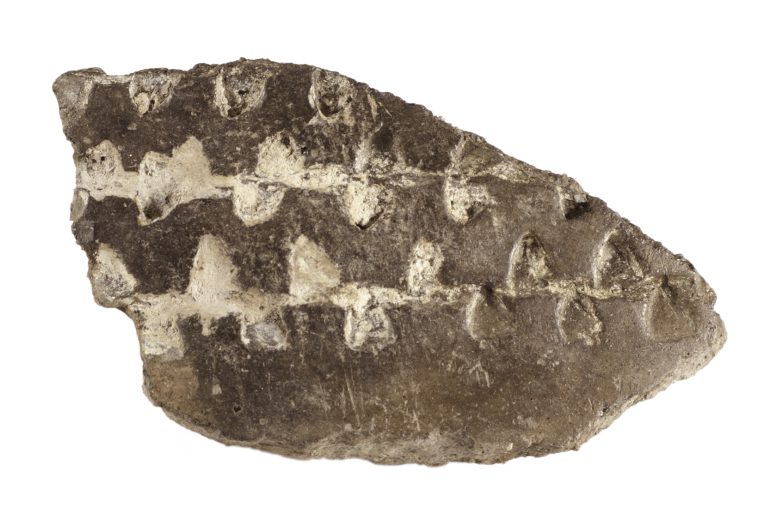
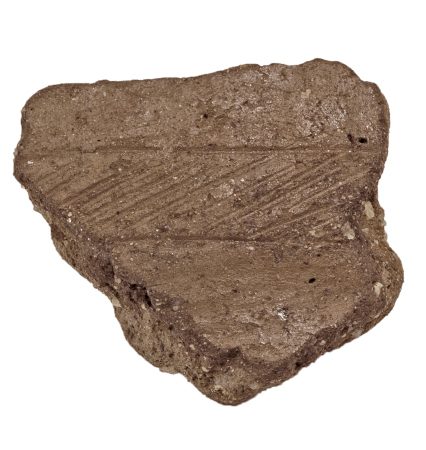
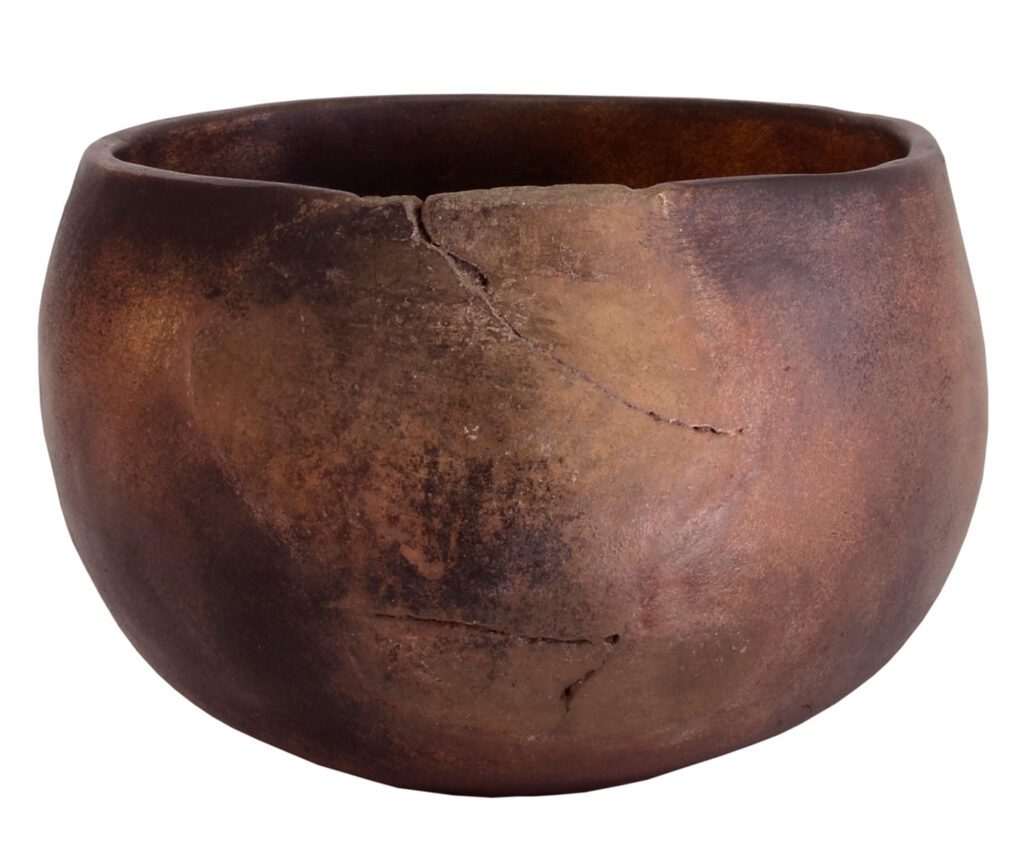
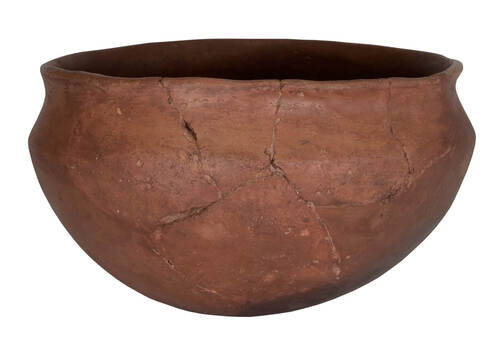
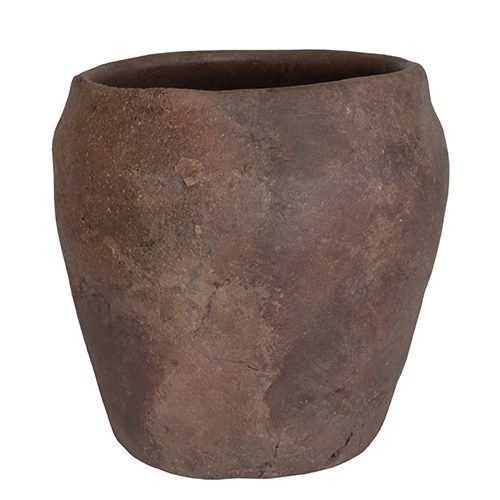
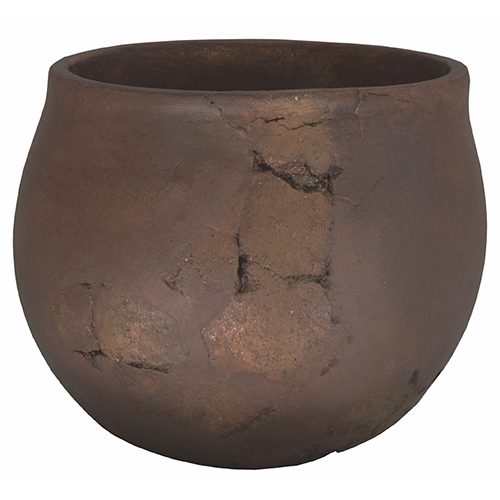
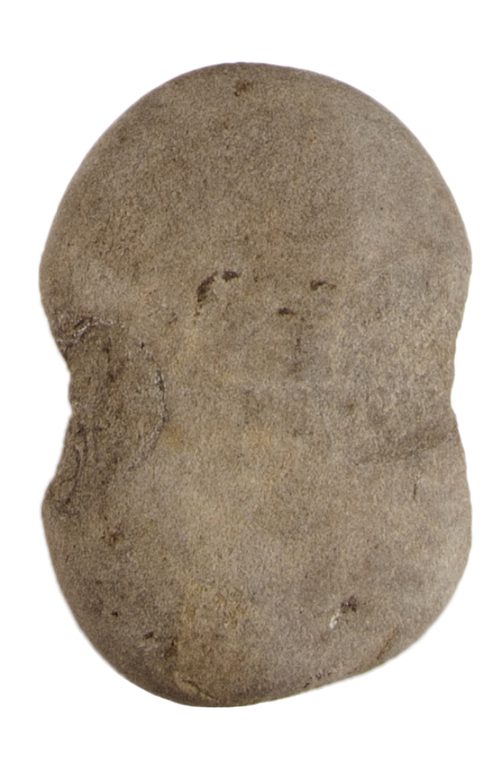
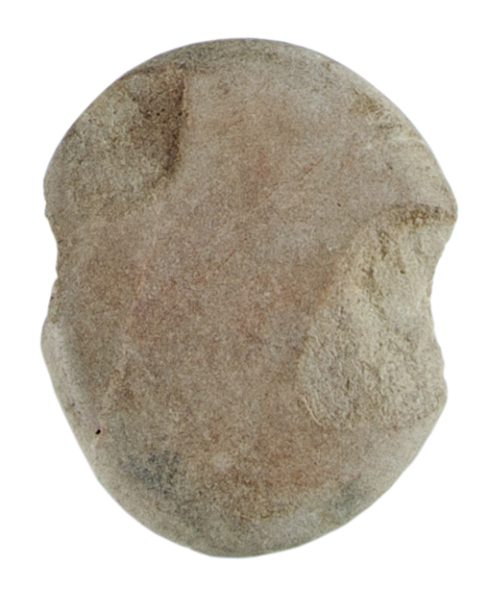
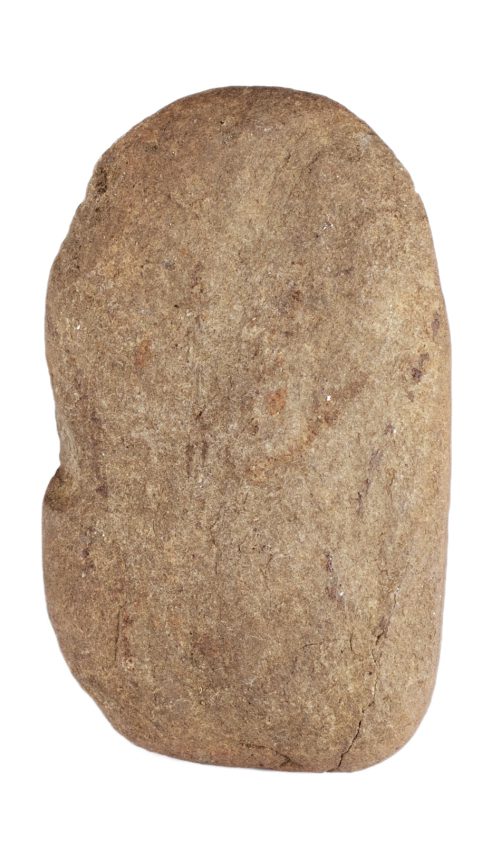
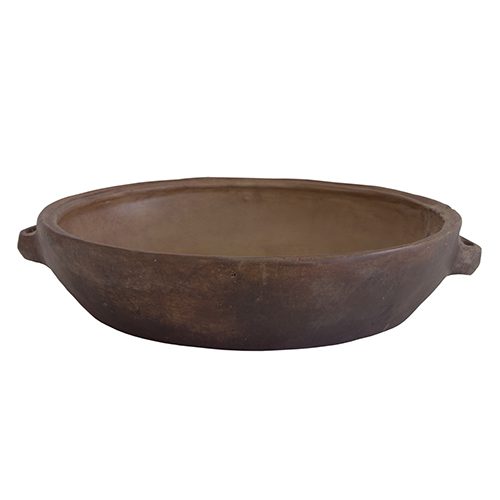
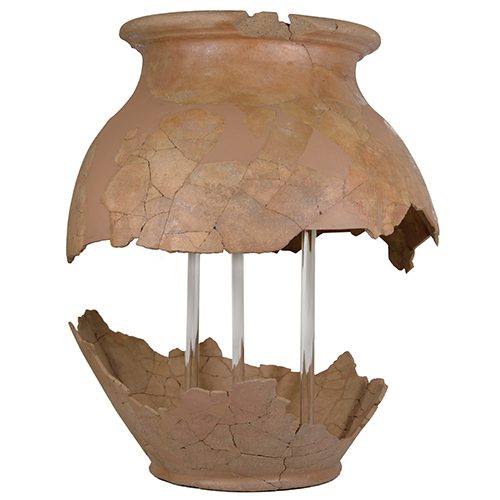
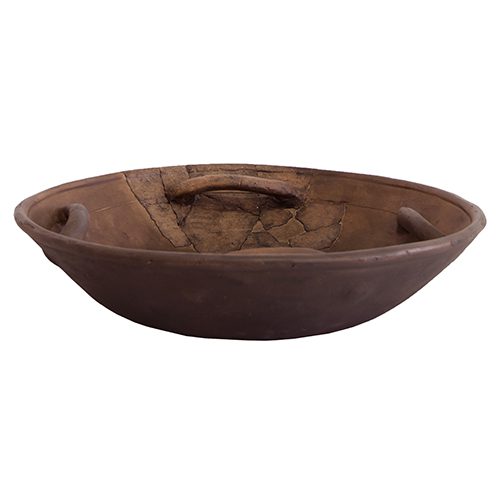
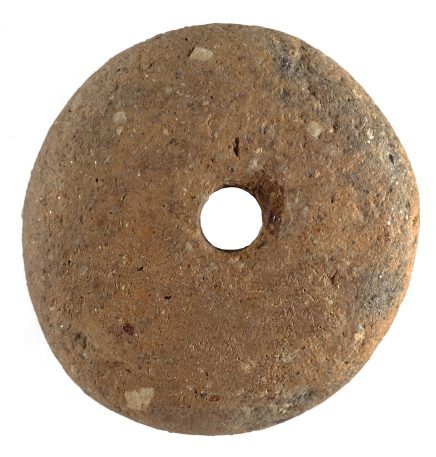
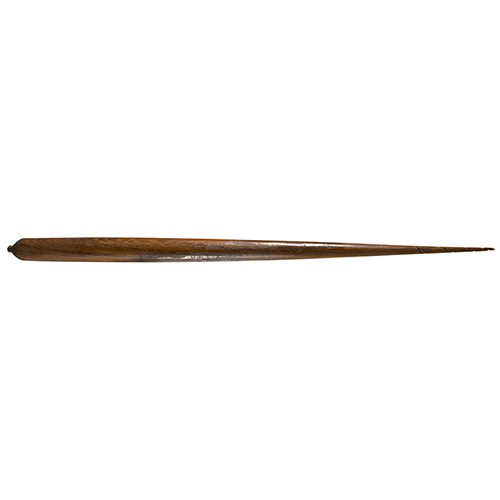
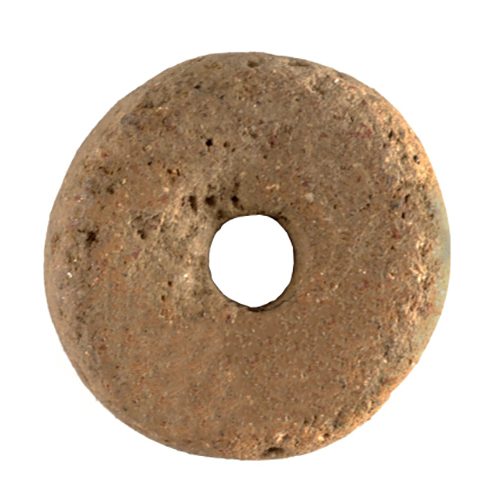
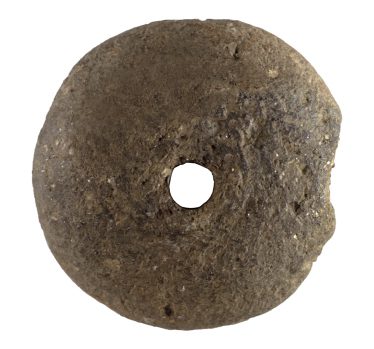
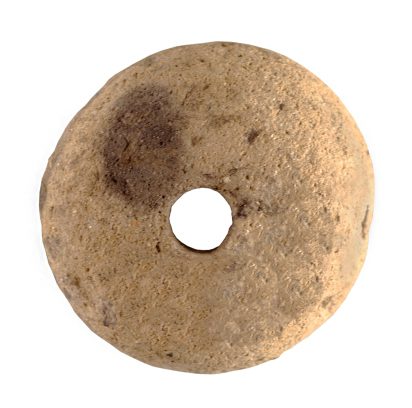
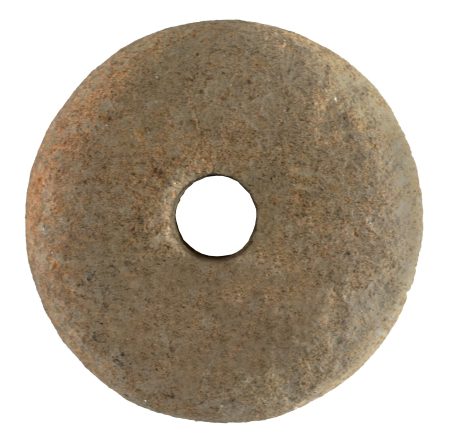
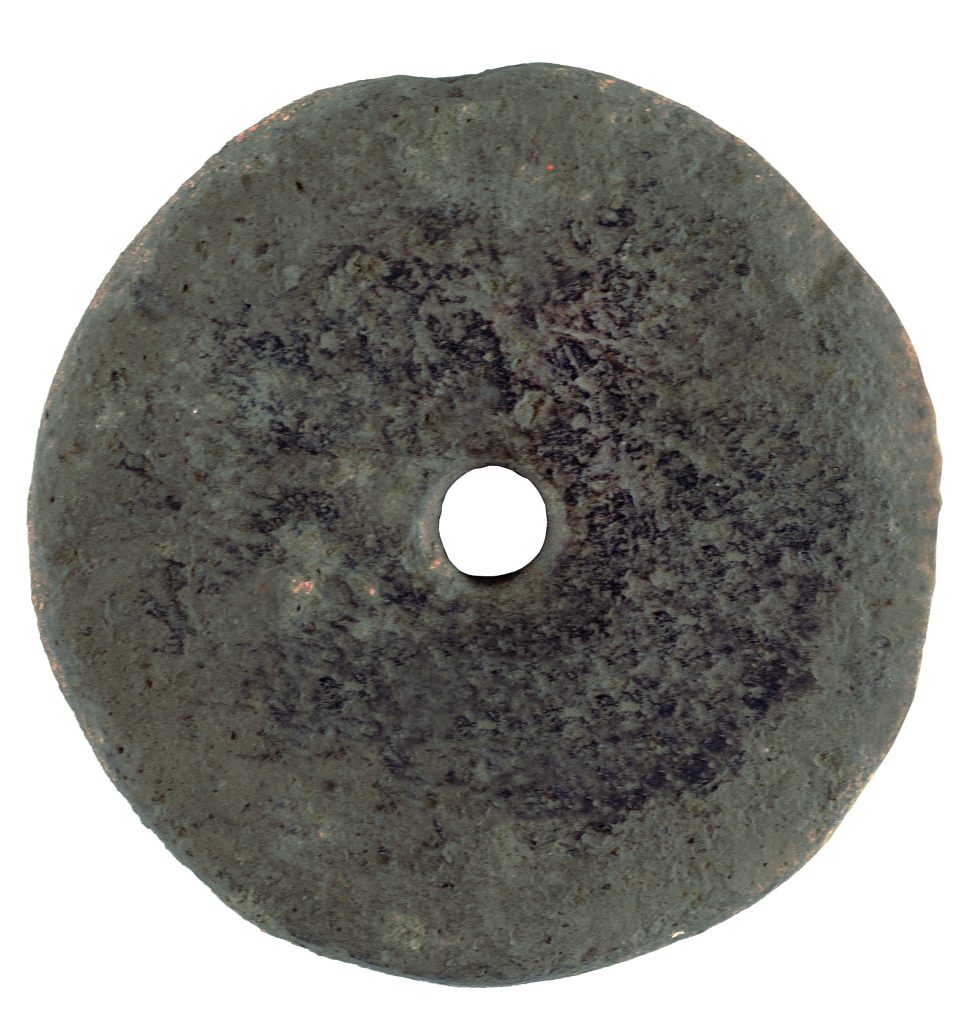
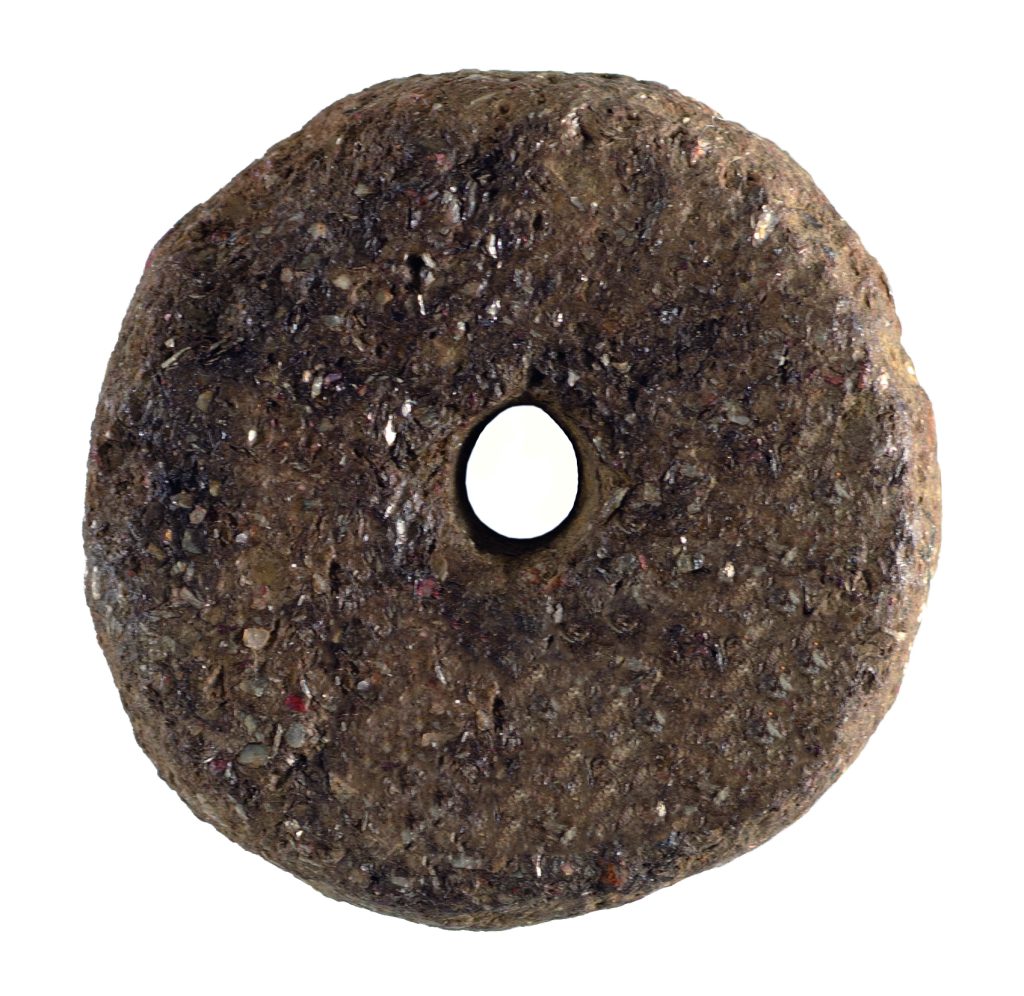
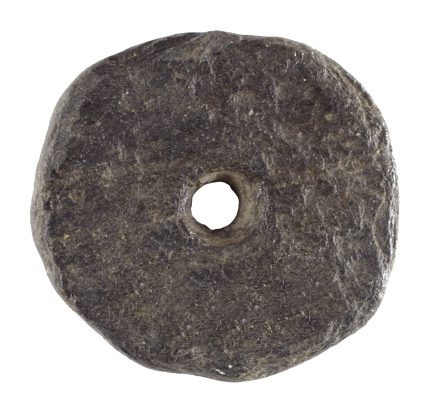
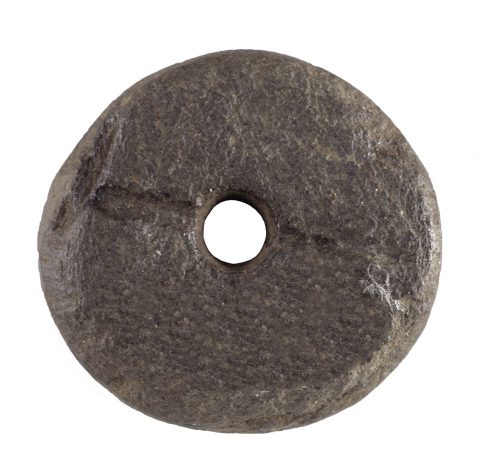
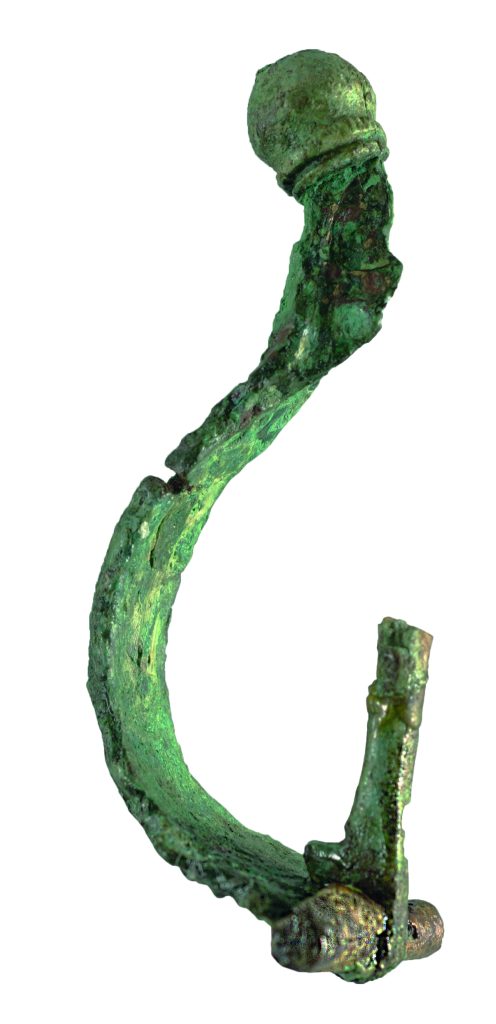
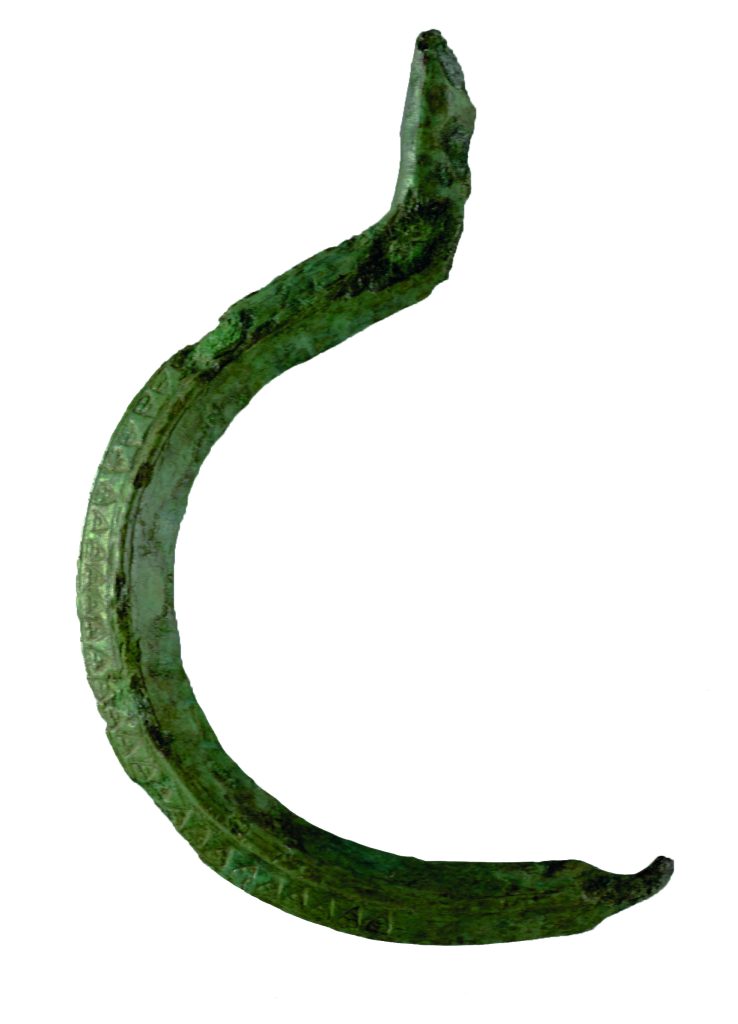
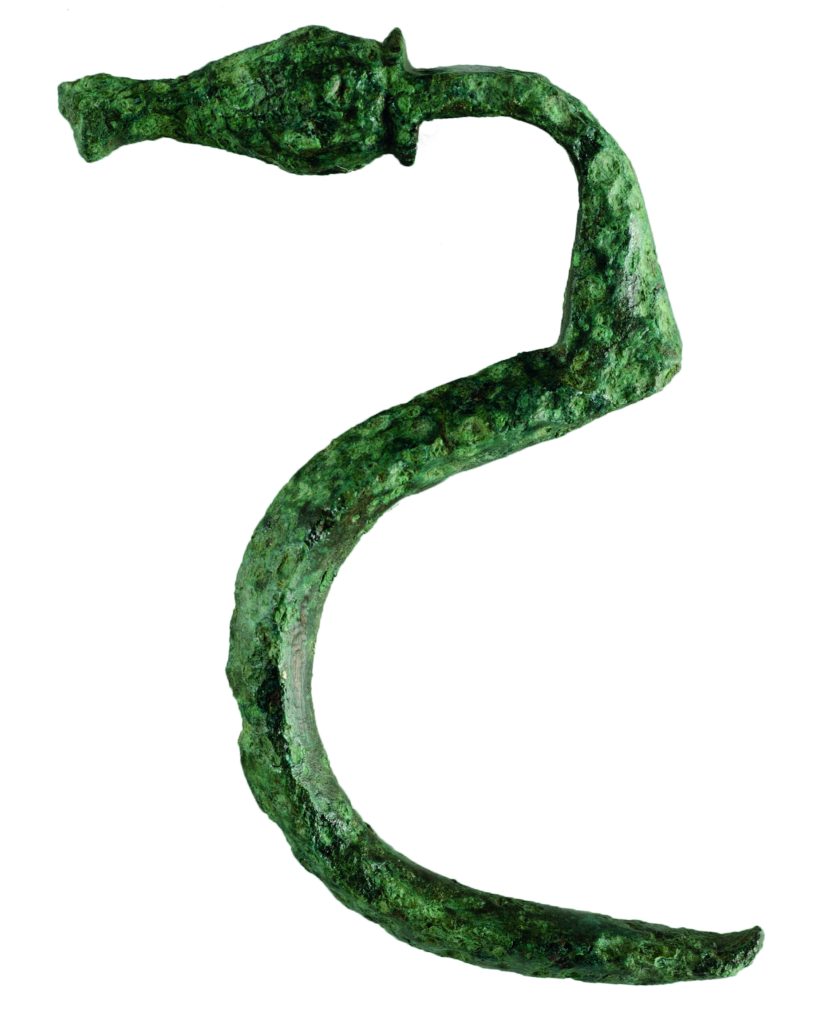
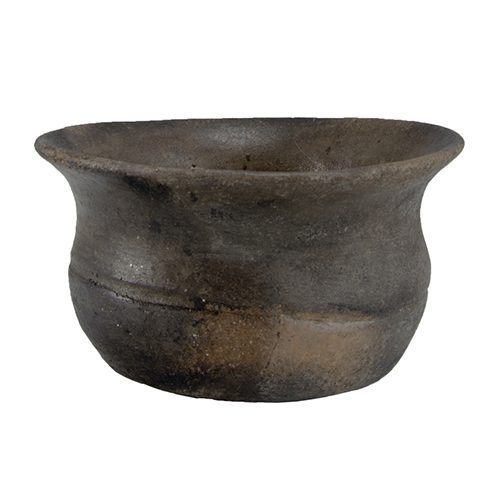
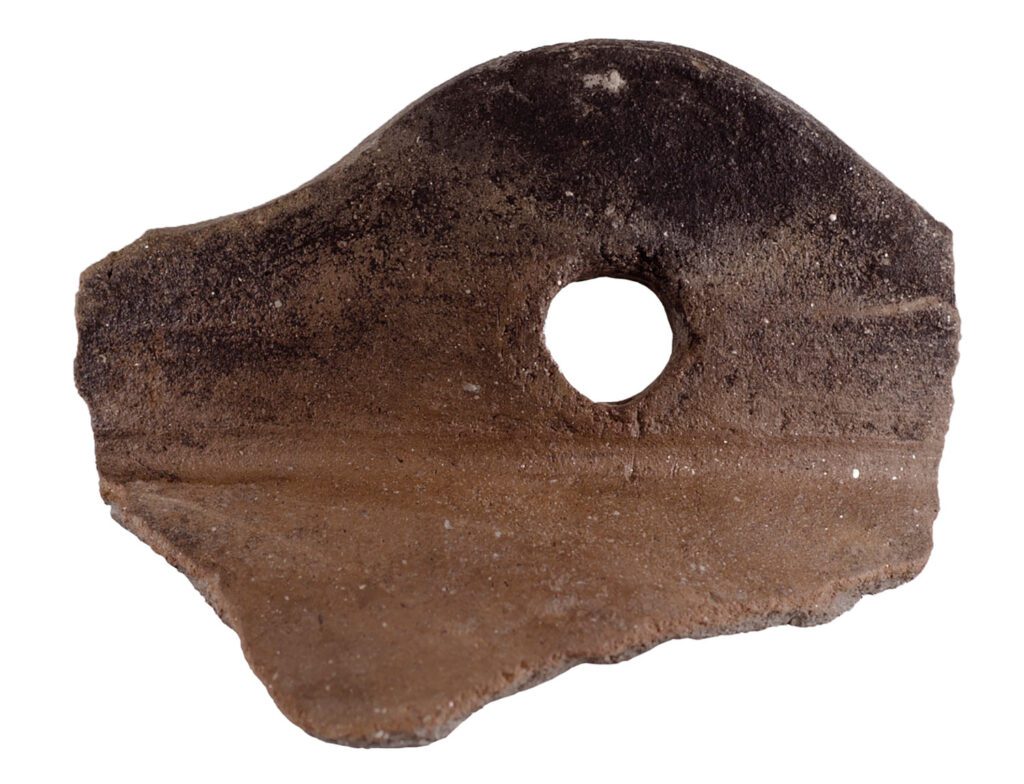
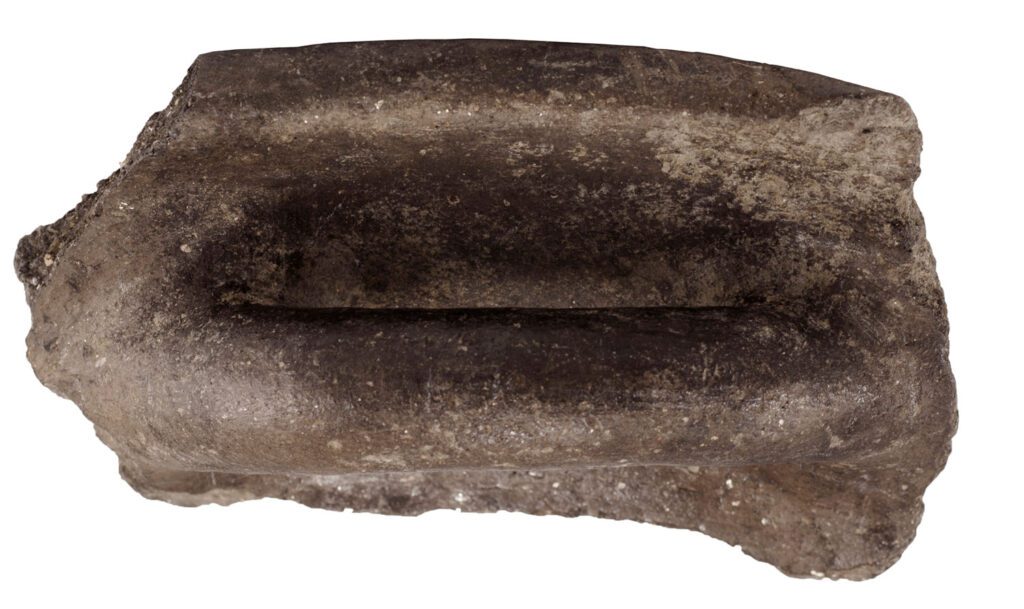
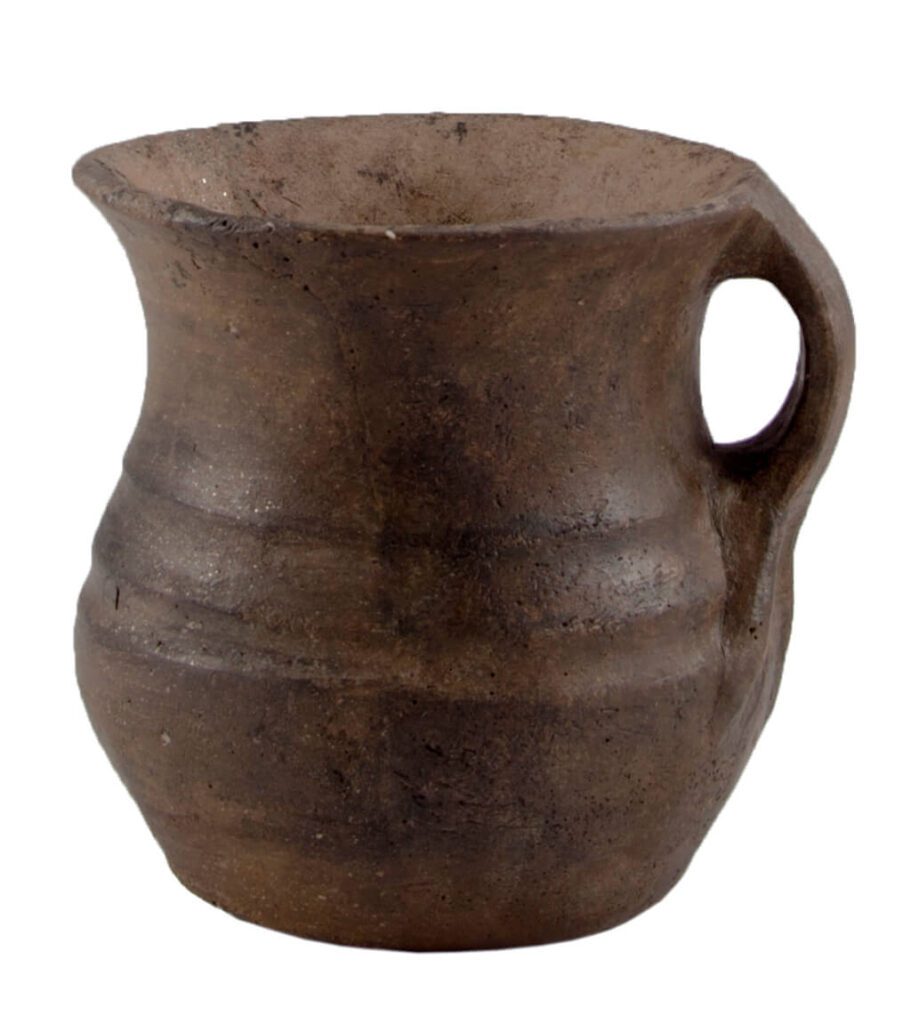
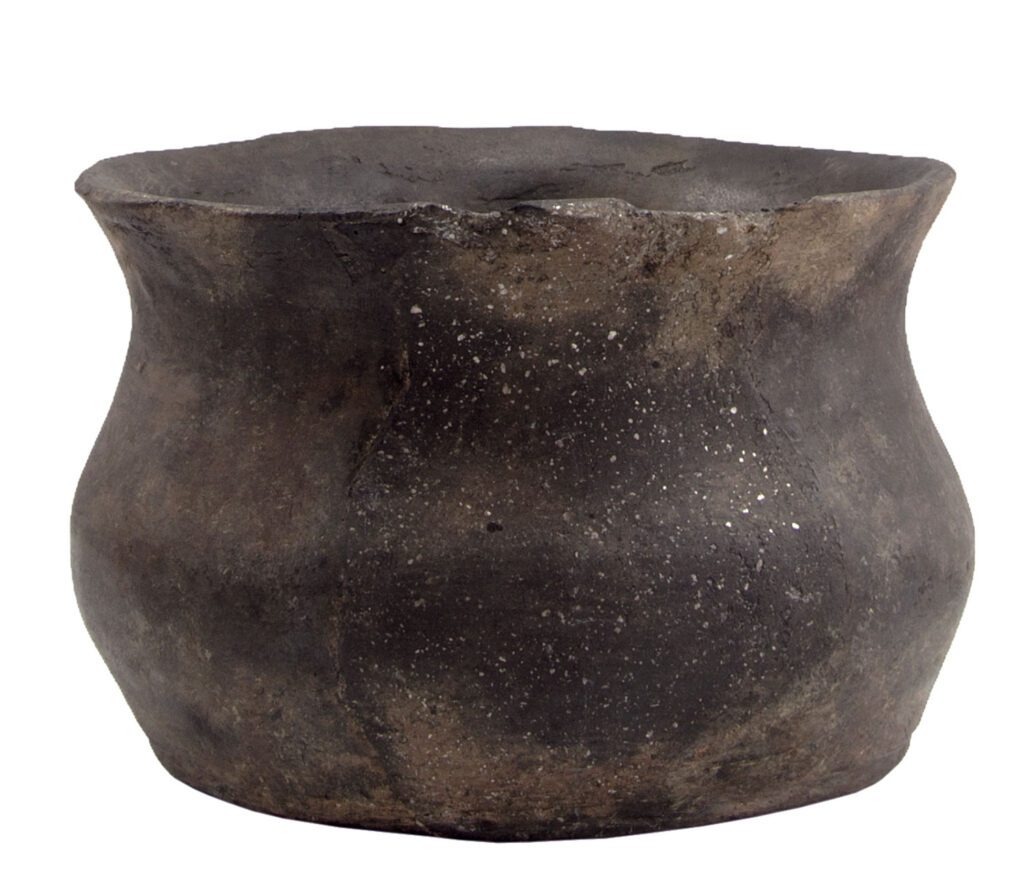
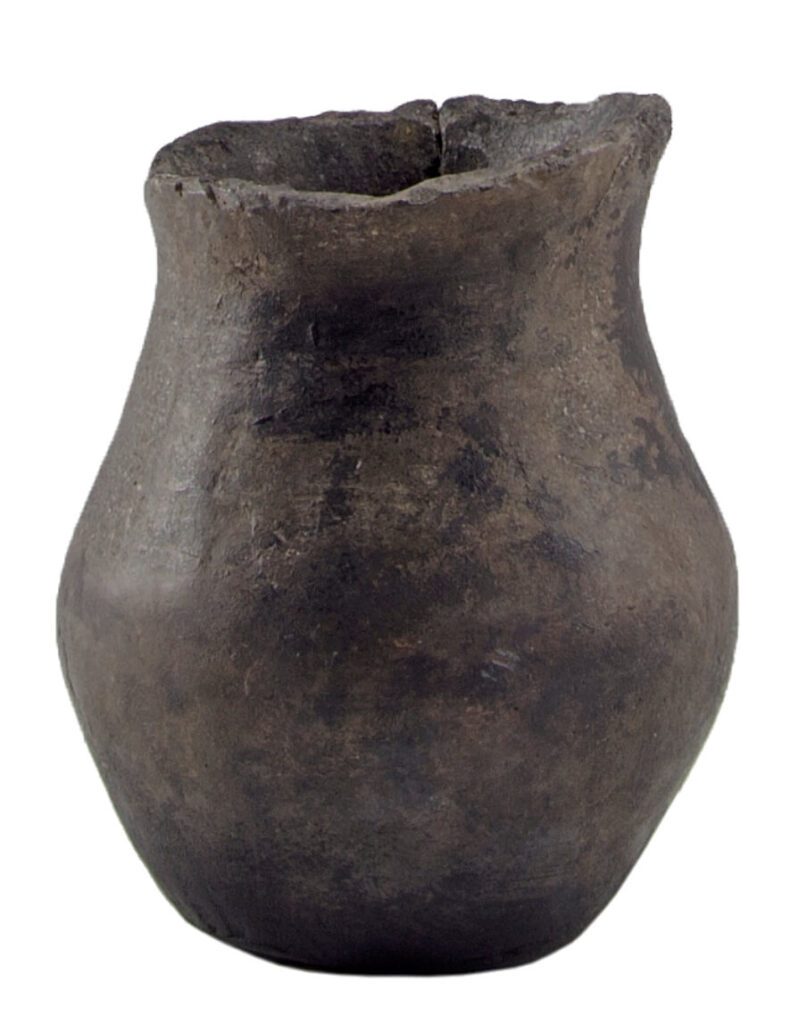
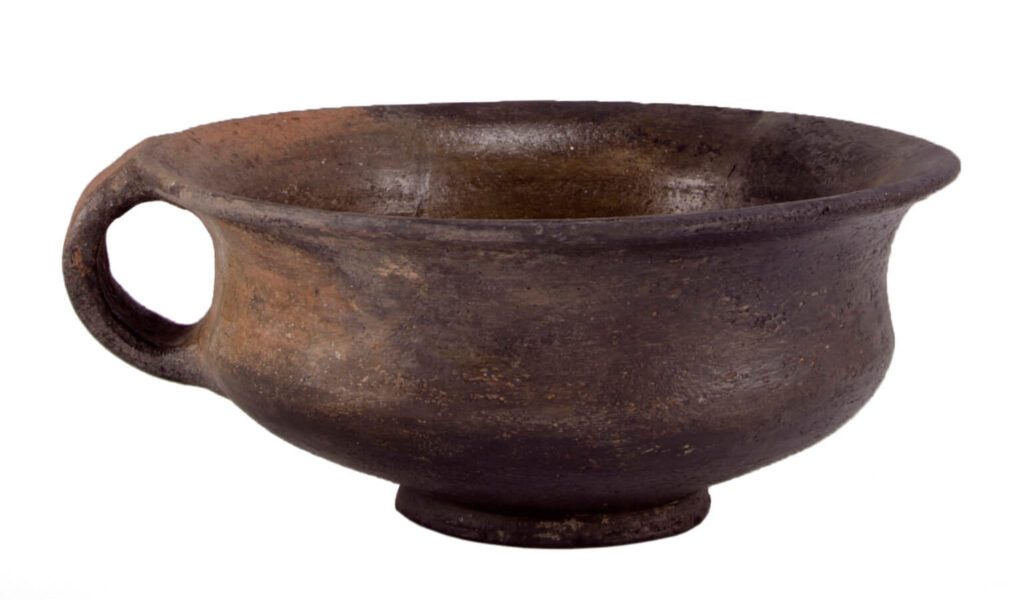
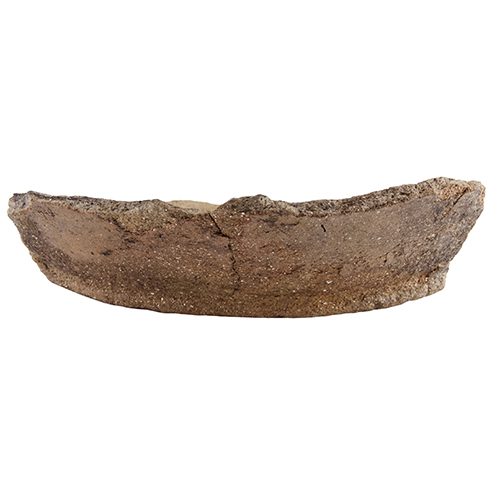
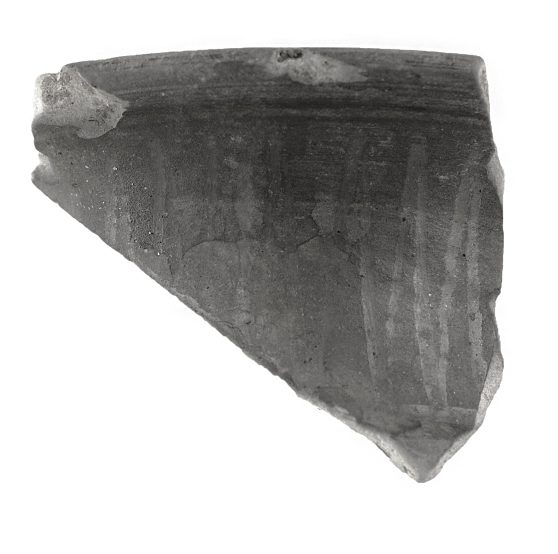
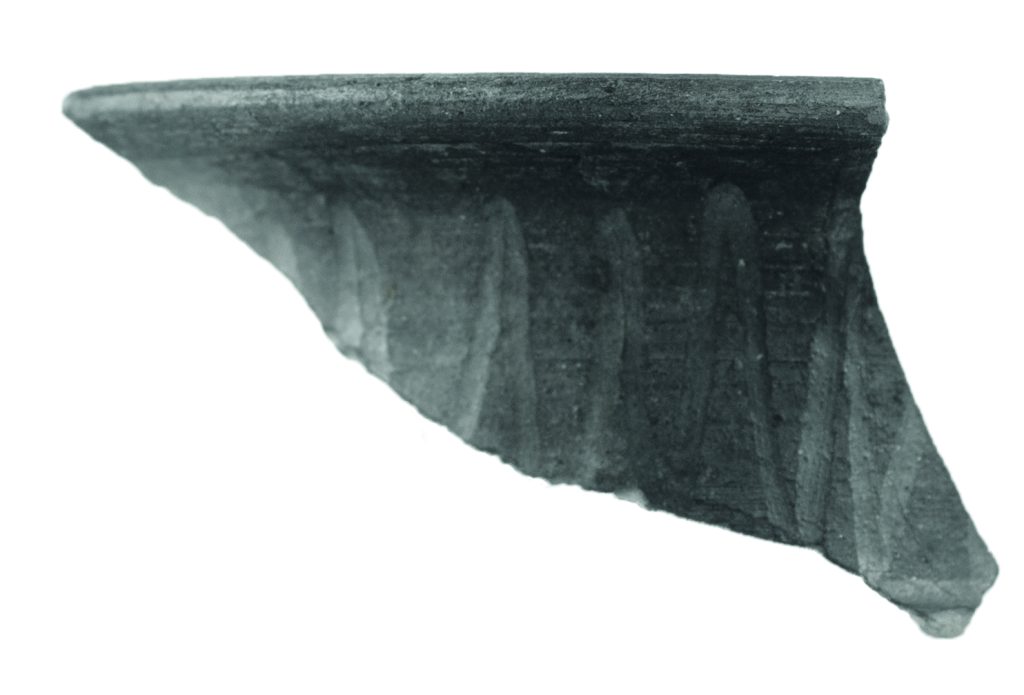
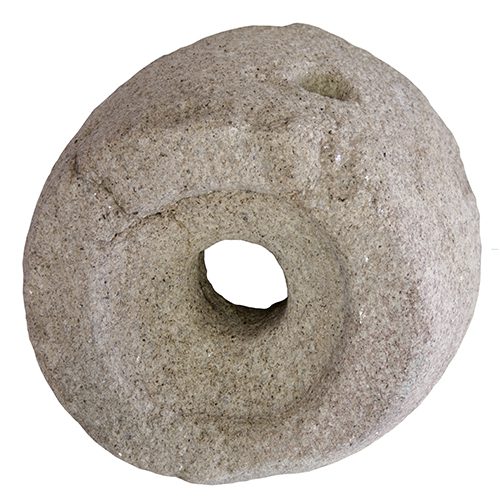
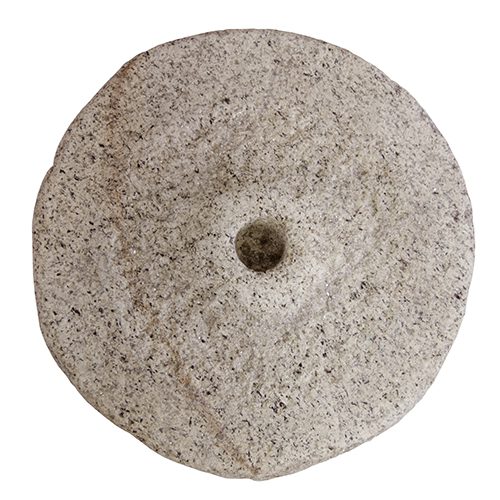
The Iron Age in the north-western Iberian Peninsula is generally associated with the Castro Culture. It spans roughly from 750 to 500 BC, corresponding to the First Iron Age, and from 500 BC to the beginning of the Common Era, during the reign of Augustus (29 BC – AD 14). The latter period is particularly linked to the administrative reforms introduced by Augustus and corresponds to the second phase of the Second Iron Age.
Recent archaeological research has progressively redefined and reassessed the geographical extension and chronological framework of the Castro world in the north-west of the Peninsula, as well as its ethnic, techno-economic, social and cultural characteristics. Among the most significant recent findings is extensive evidence of diverse external influences acting upon indigenous communities. These influences were expressed through wide-ranging networks of interaction, thereby challenging the image of the region’s isolation and marginality that had become widespread and entrenched in Portuguese archaeological historiography.
The complexity and nature of the available data provide the clearest testimony to a geographical area which was far from being a remote finisterra. Rather, it functioned as a corridor of communication and exchange, shaped by the dynamics of a European-scale economy whose most active centres radiated from the Mediterranean, particularly evident in coastal settings. Thus, the Atlantic seaboard of the southern sector of the north-western Iberian Peninsula, which includes the municipality of Santo Tirso, also constituted a focal point for external relations of continental and southern origin. Those interactions stimulated indigenous development and established a privileged route of communication between coast and inland territories. Within this dynamic of proximity, the area, already characterised by considerable population density, attained a high level of cultural development.
Based on significant evidence from the archaeological records of its principal sites — Citânia de Sanfins (Paços de Ferreira), Monte Padrão (Santo Tirso), Castro de Alvarelhos (Trofa) and Monte Castêlo (Guifães, Matosinhos) — the chronological sequence put forward for the region is organised into three phases which, taken together, span from the final quarter of the second millennium BC up to the onset of Romanisation, marked by the reign of Augustus.