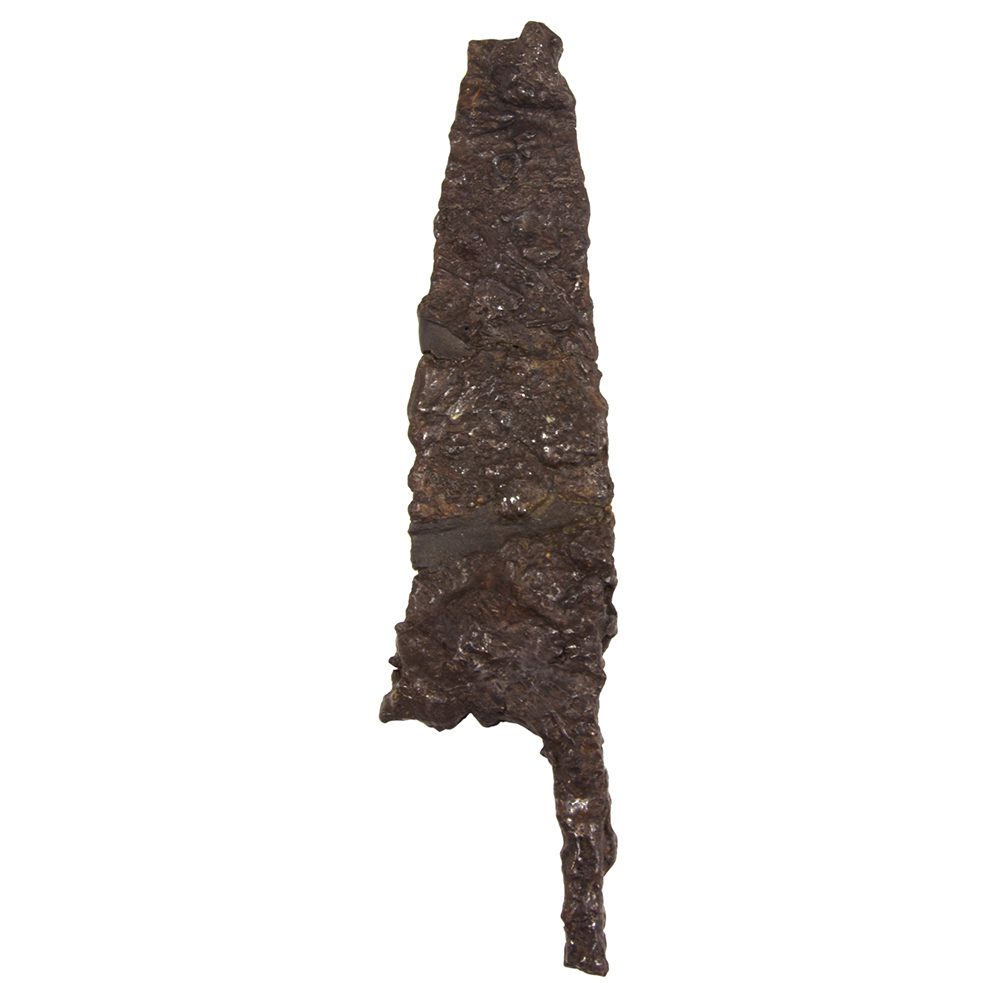
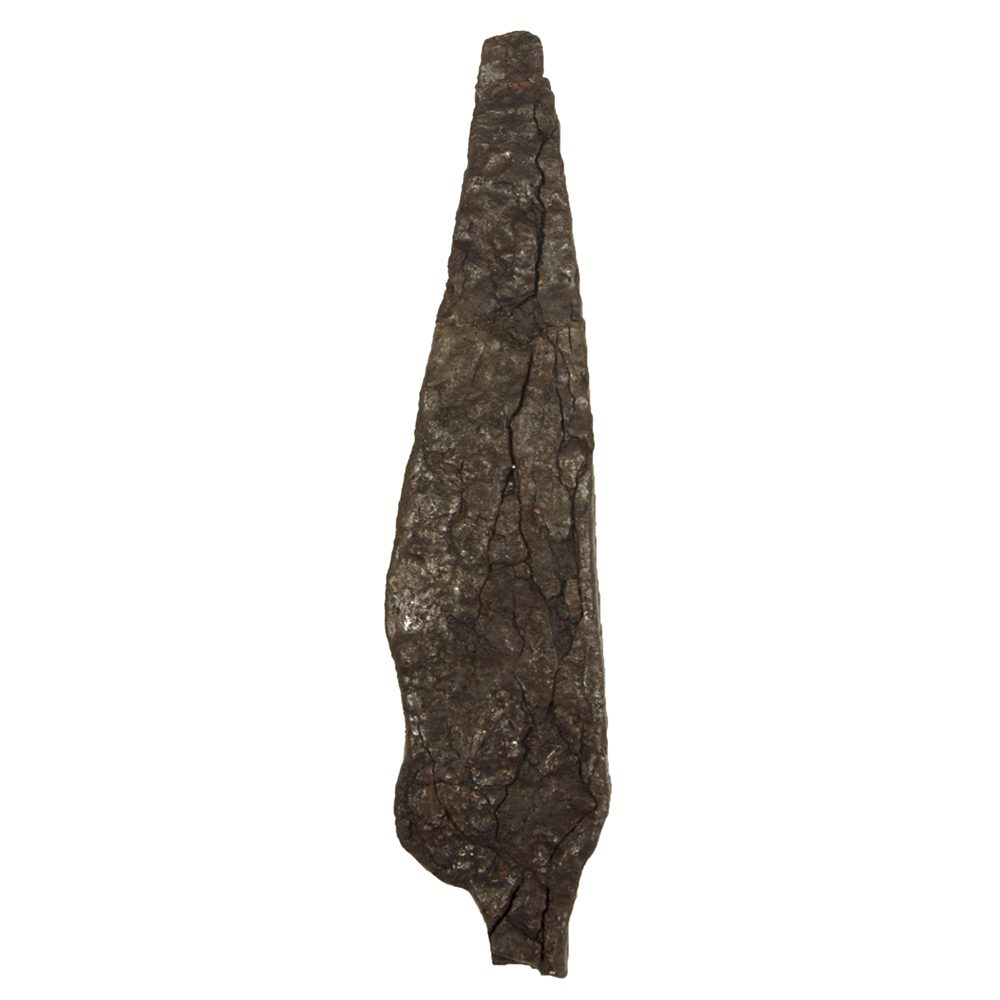
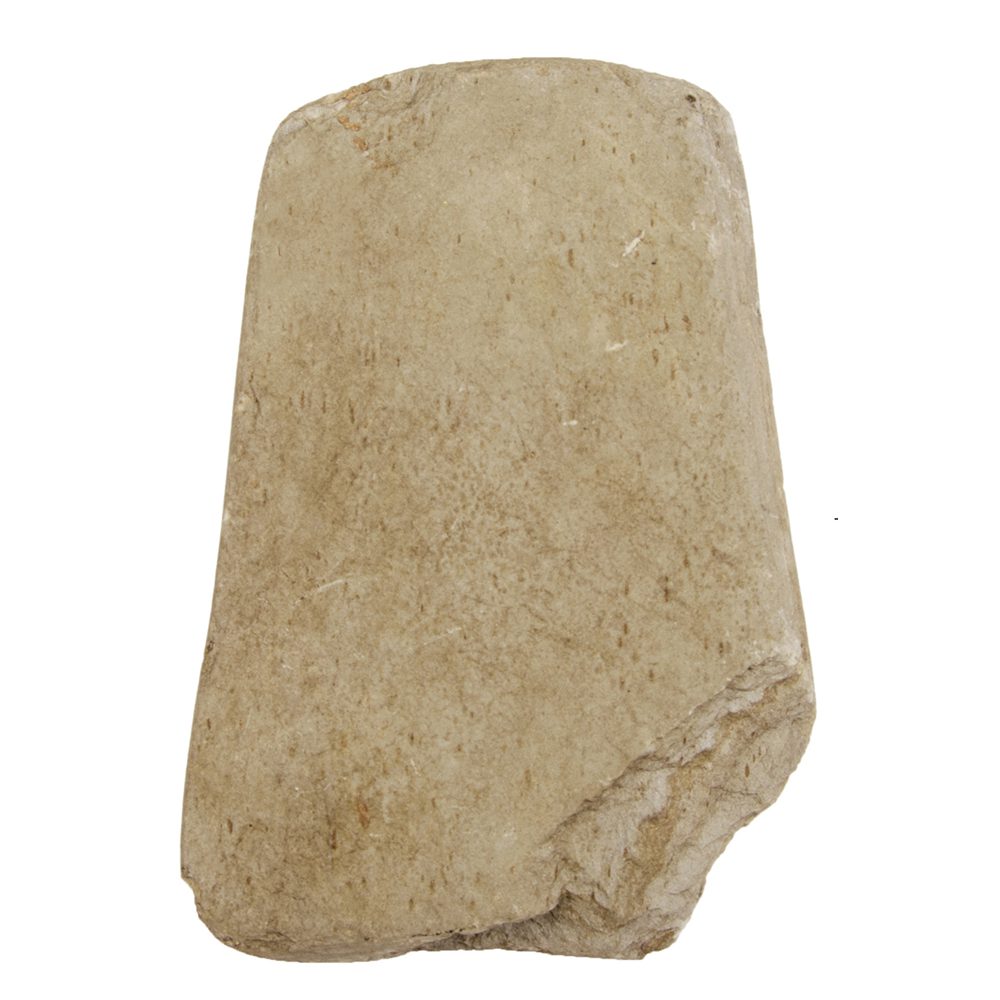
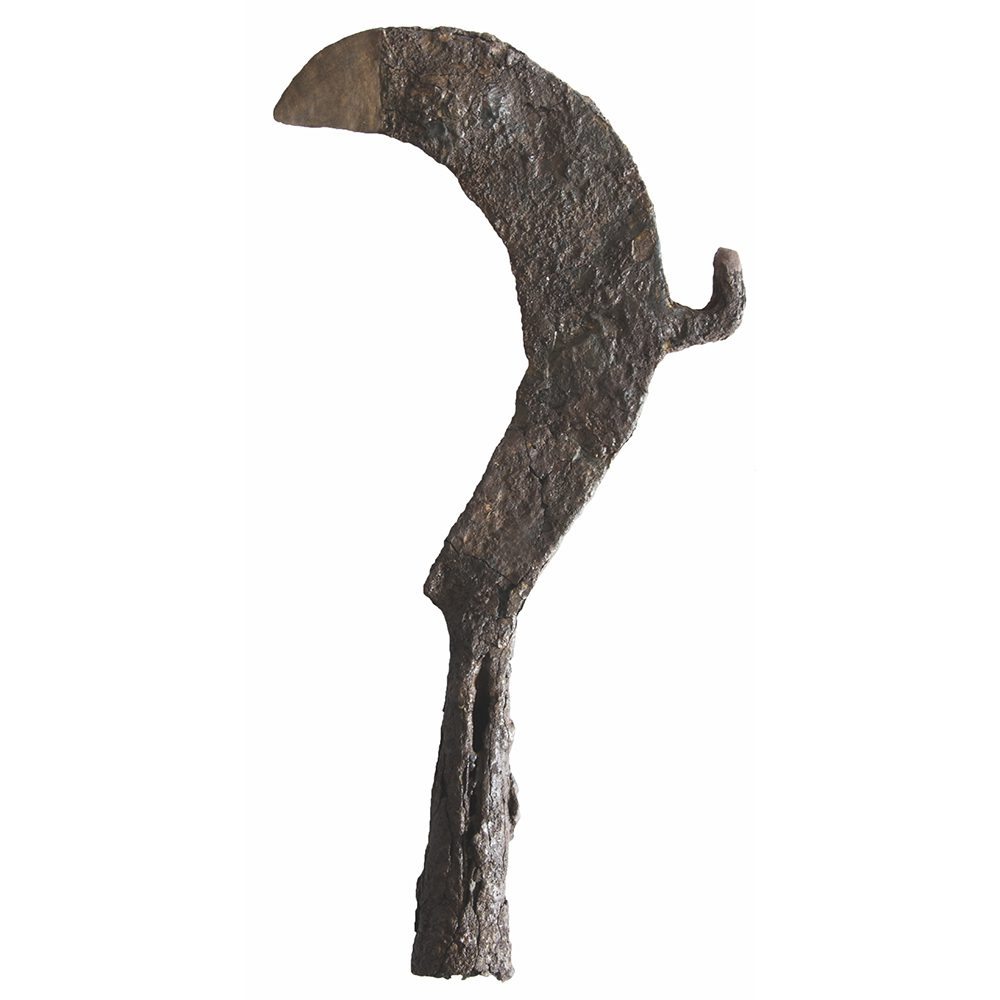
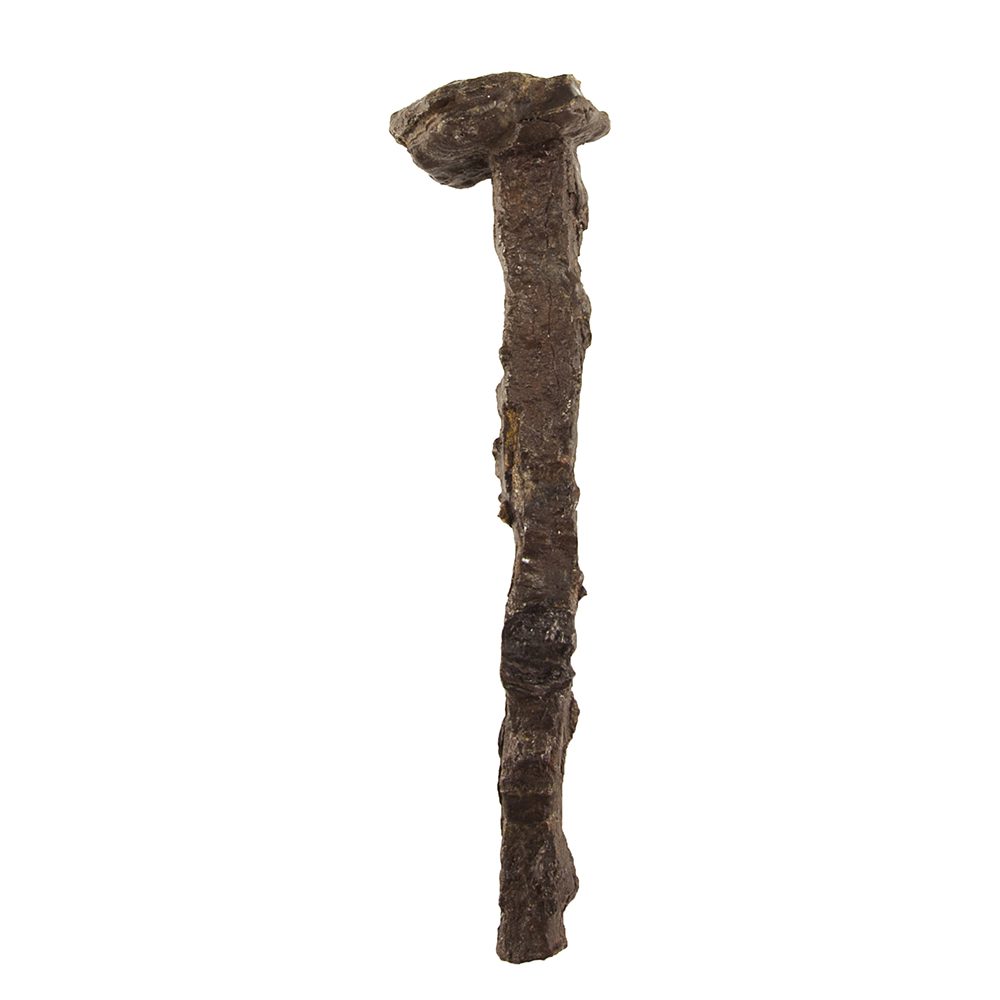
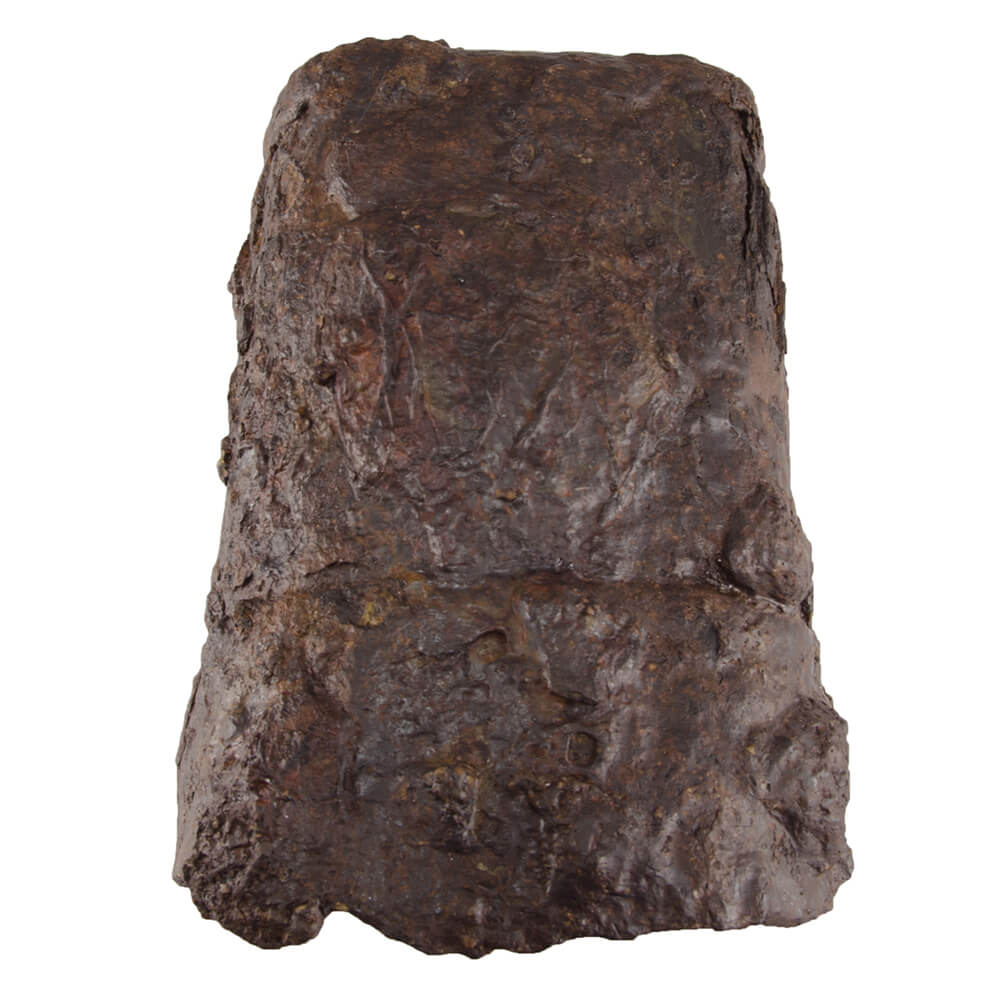
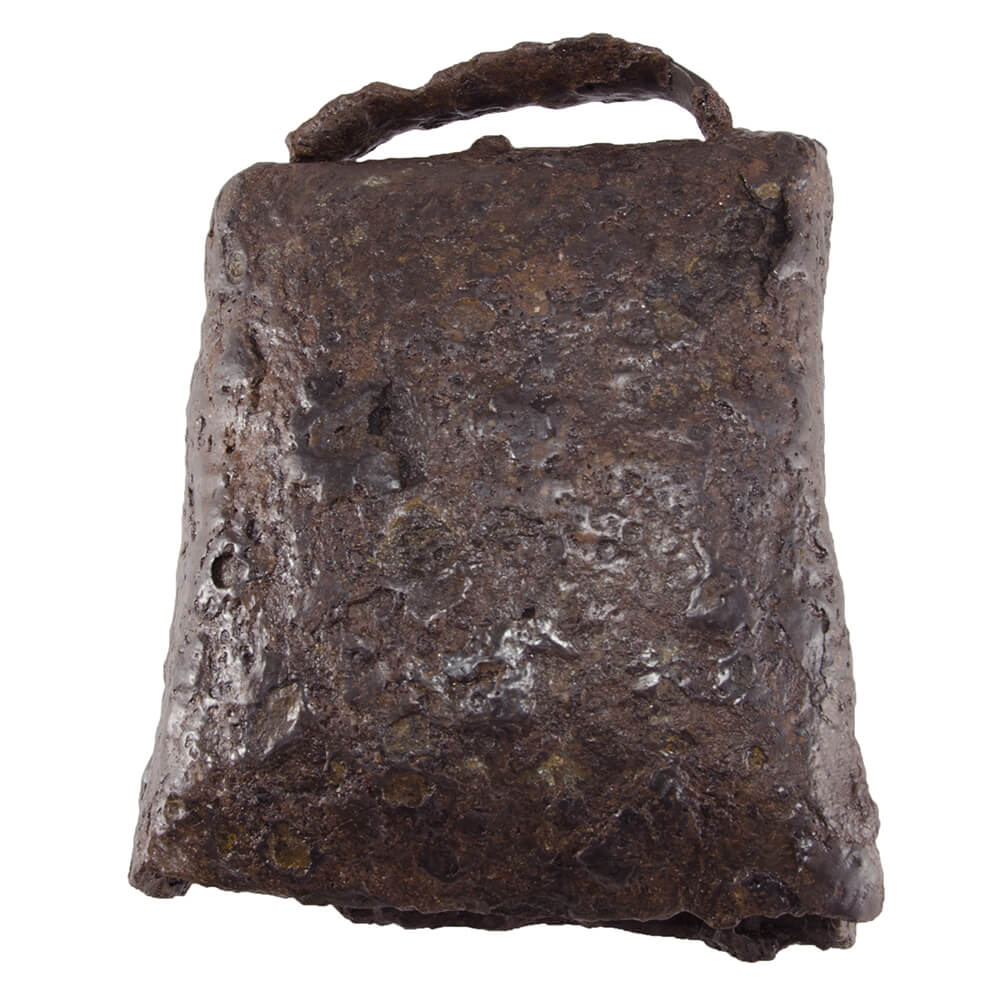
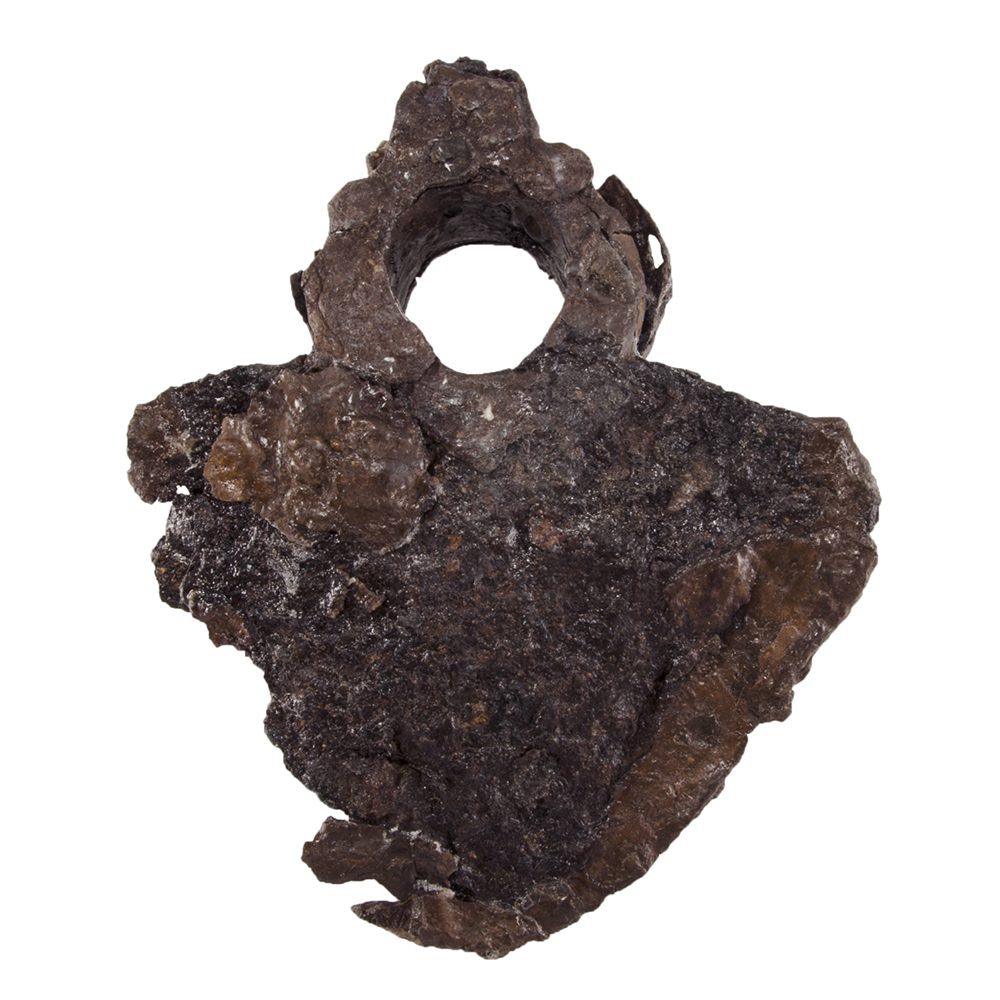
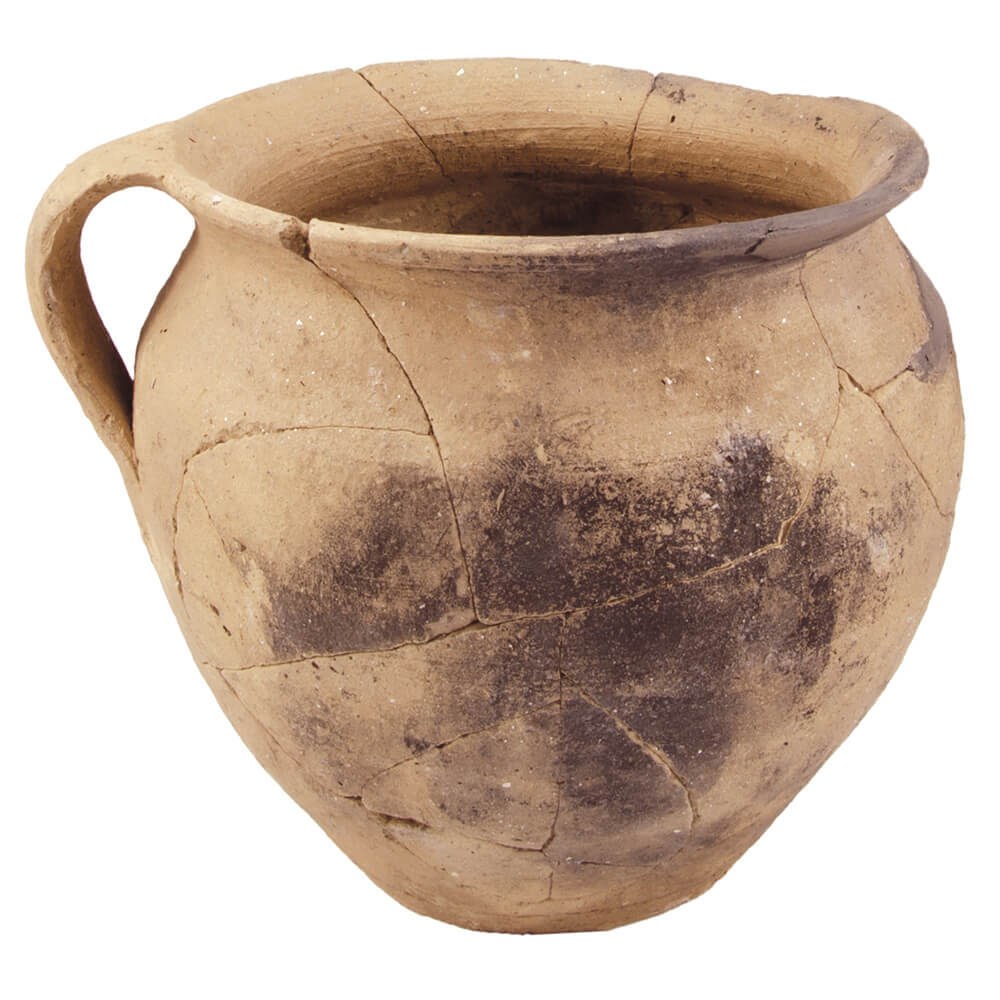
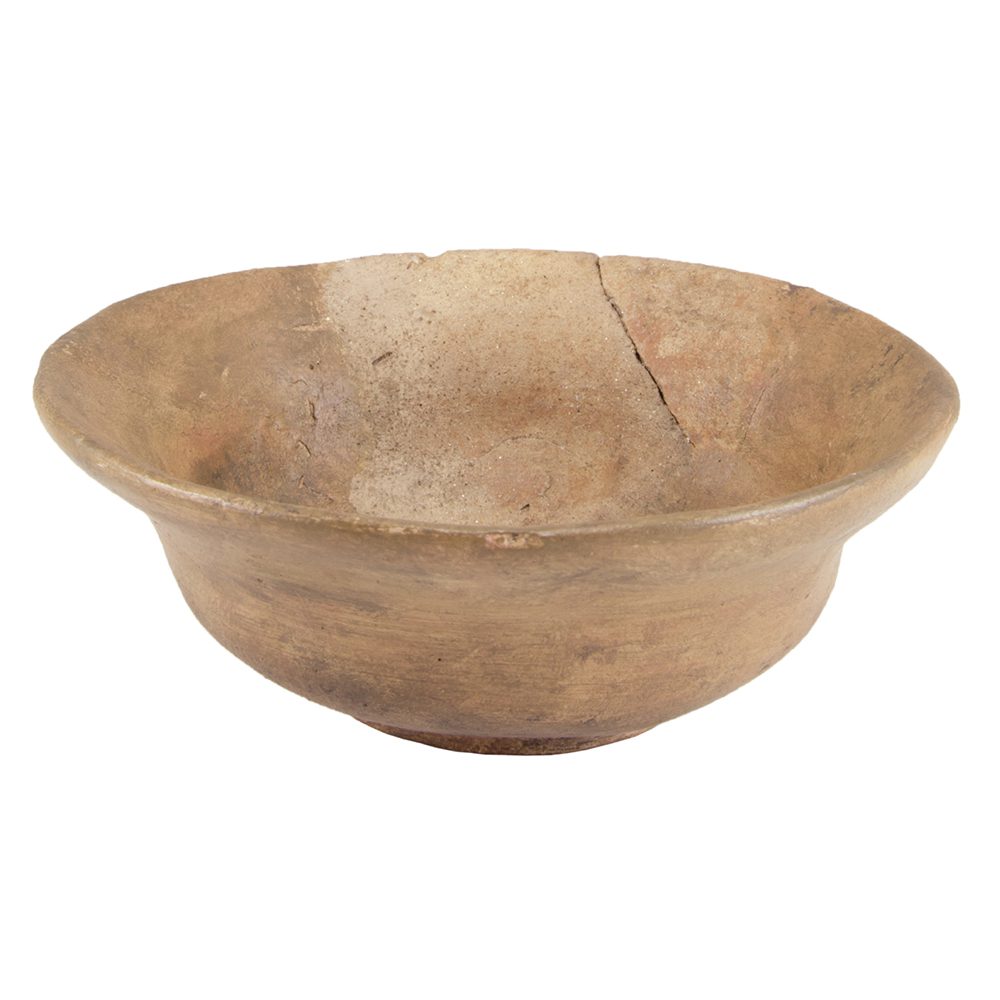
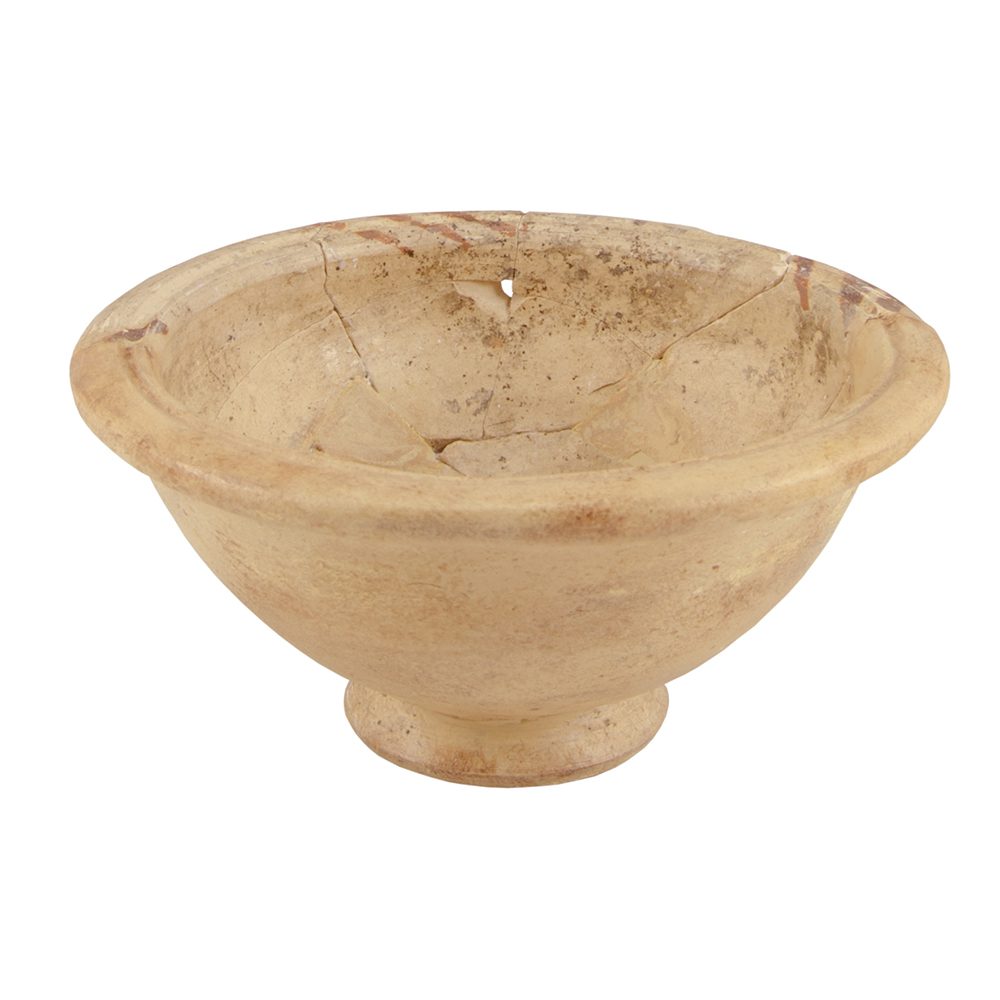
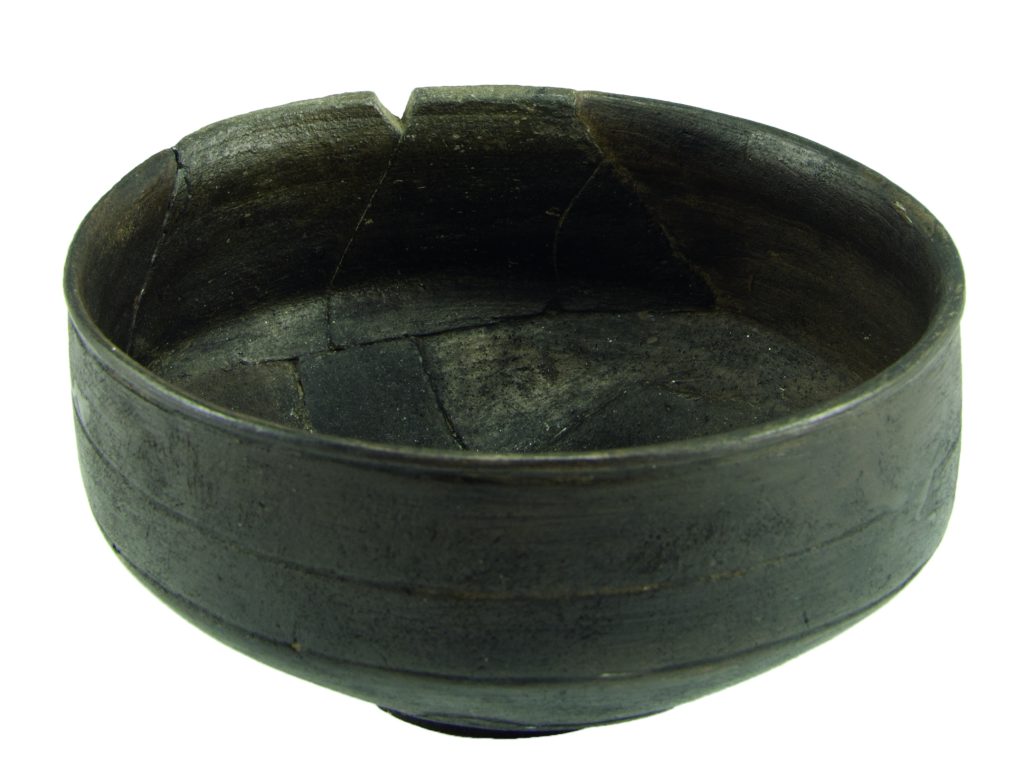
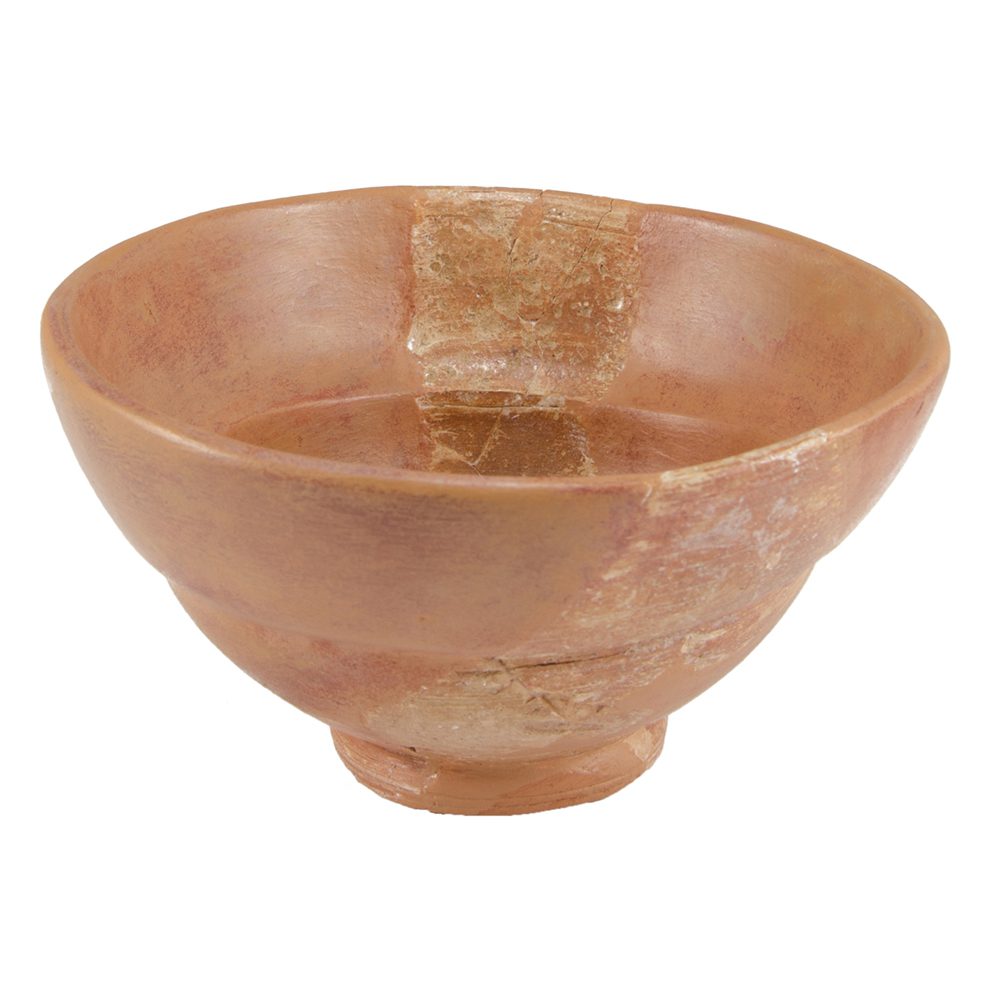
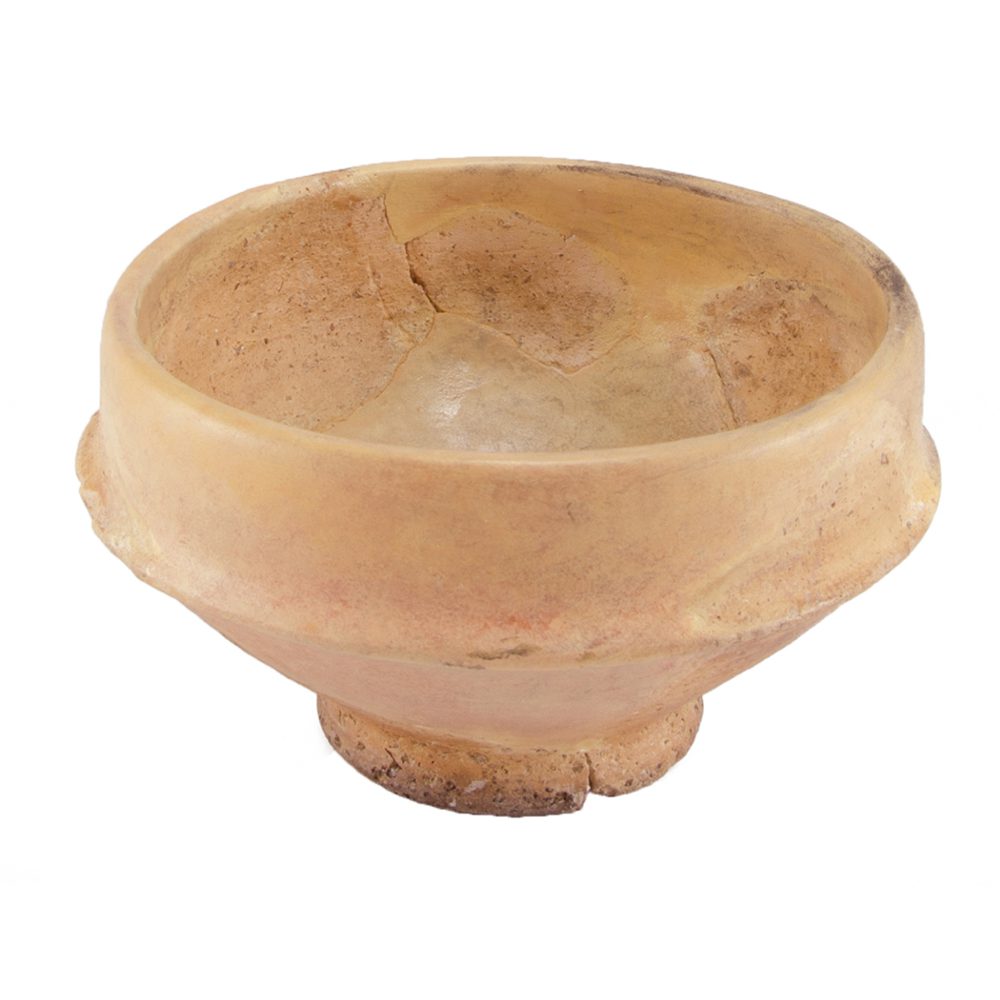
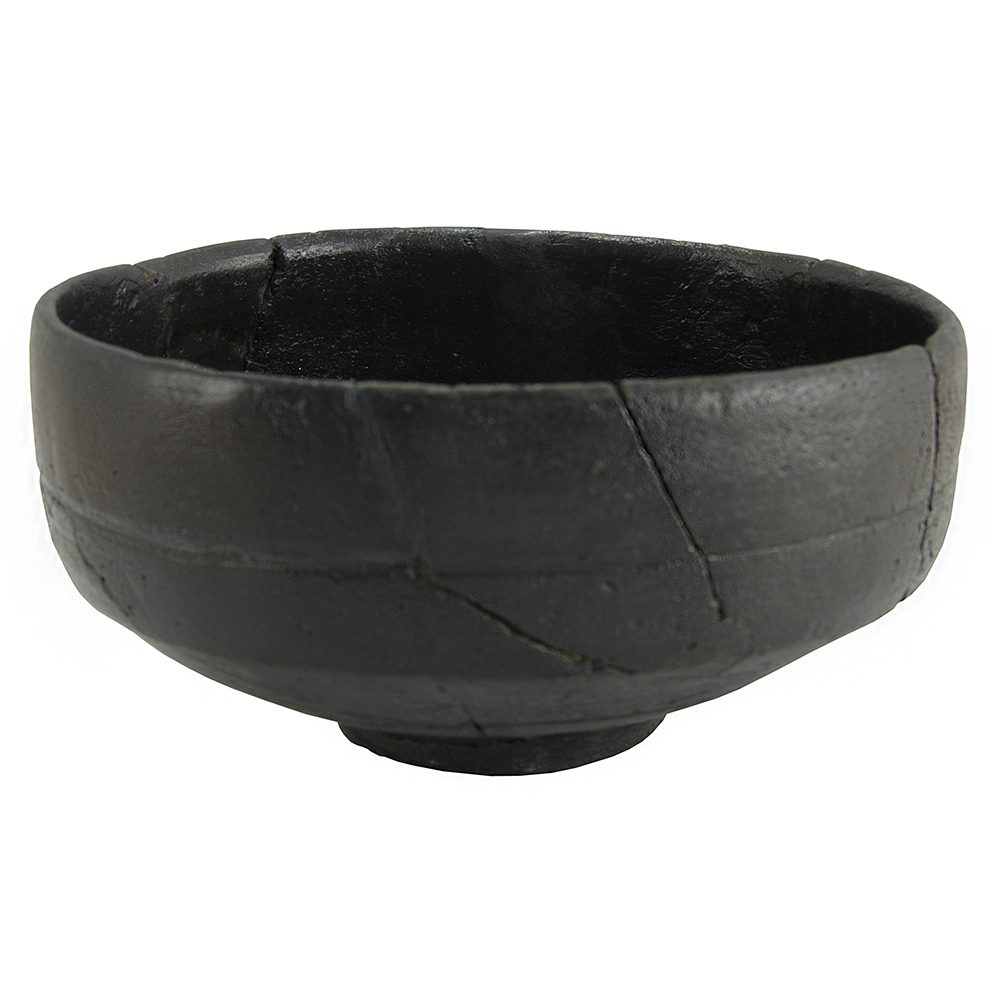
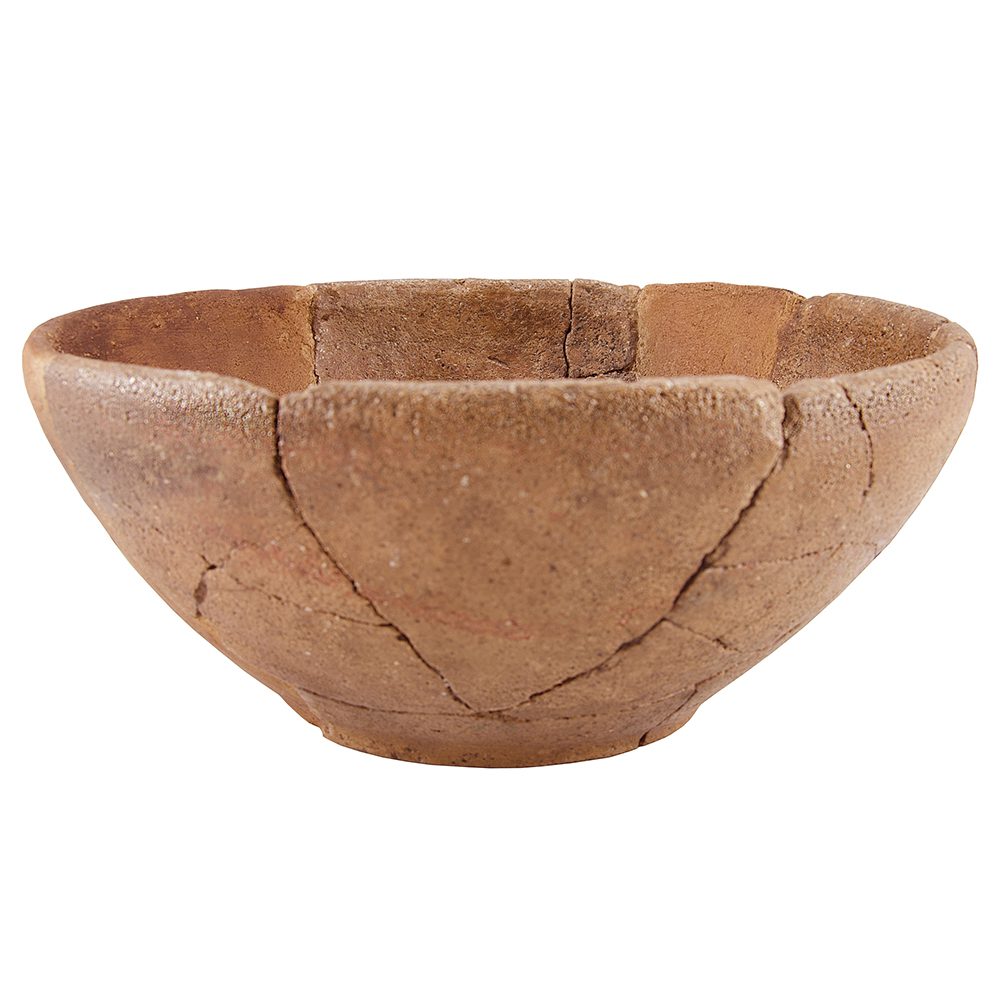
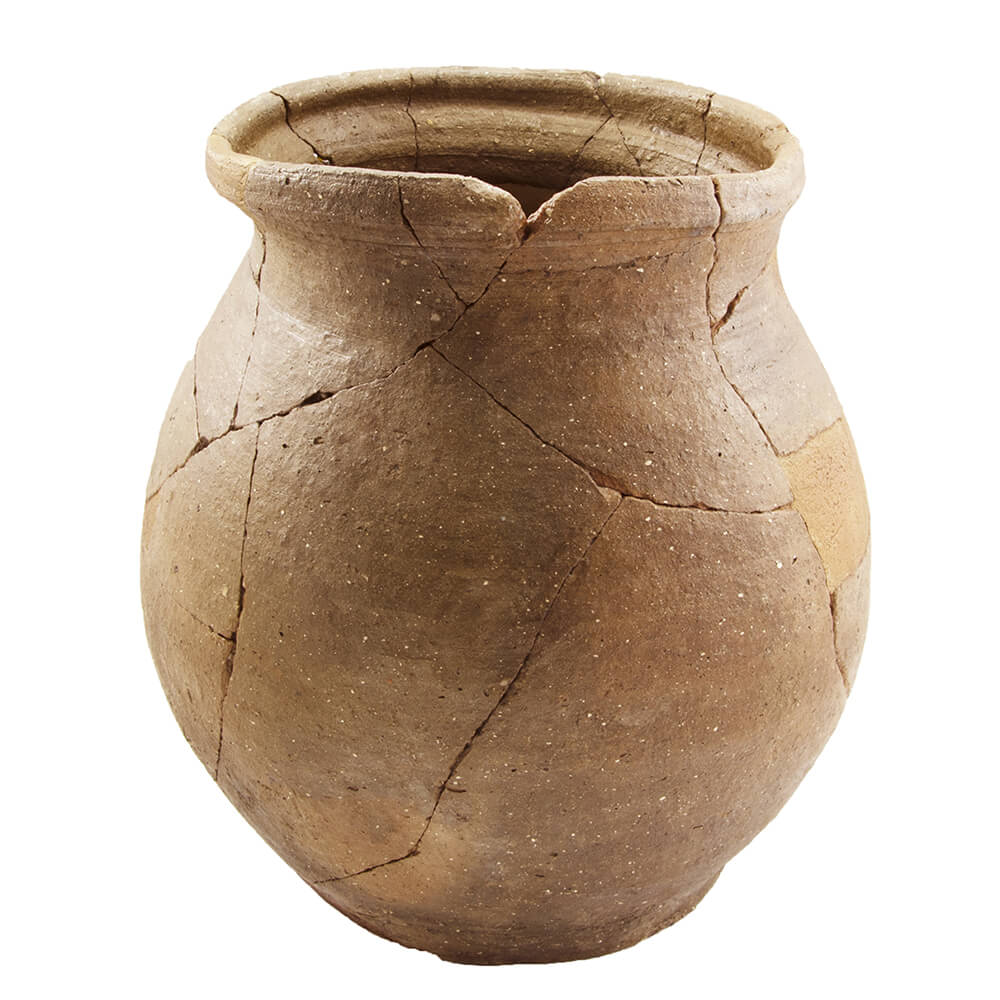
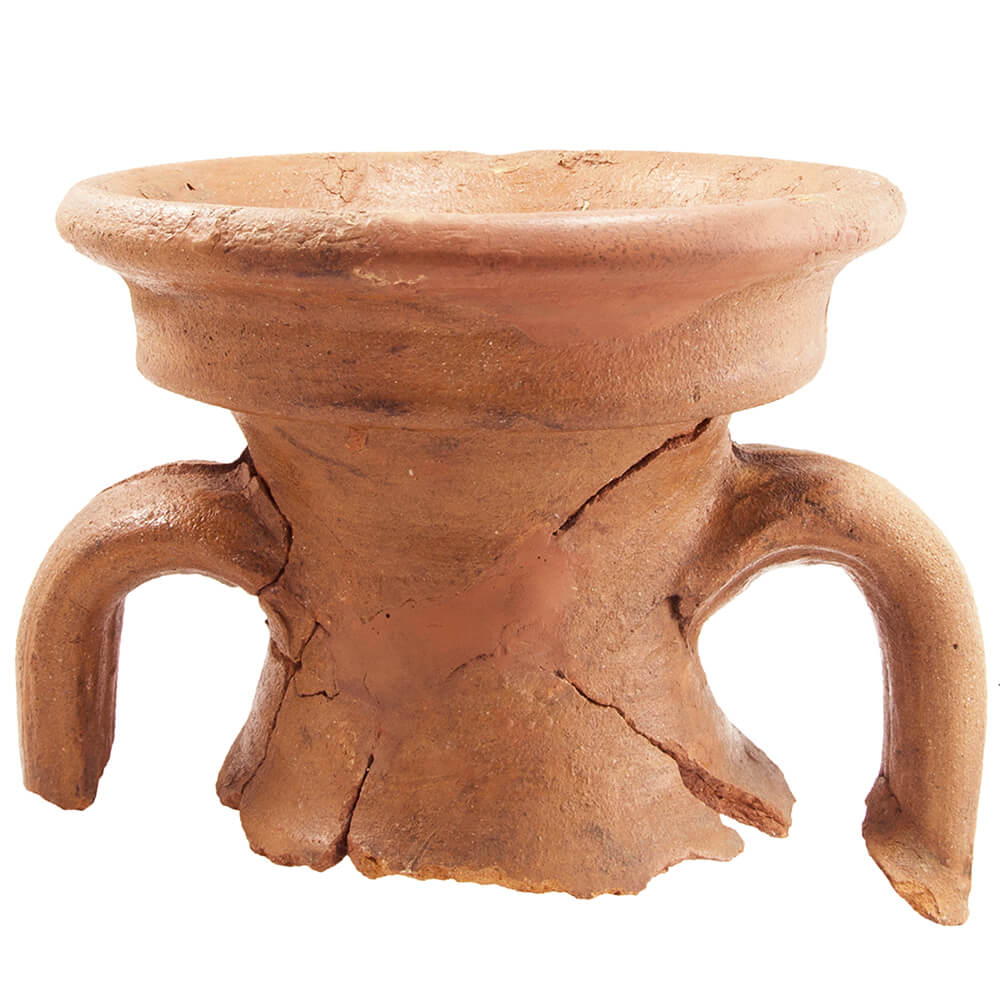
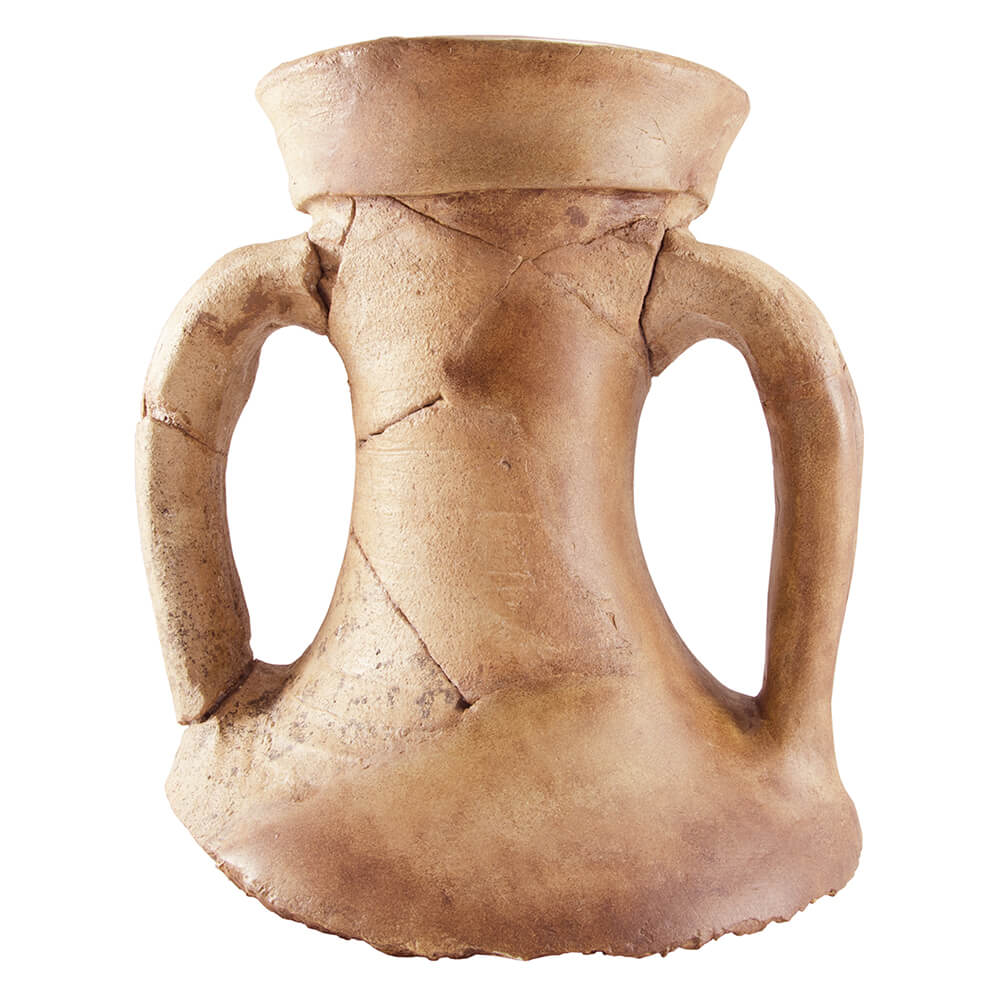
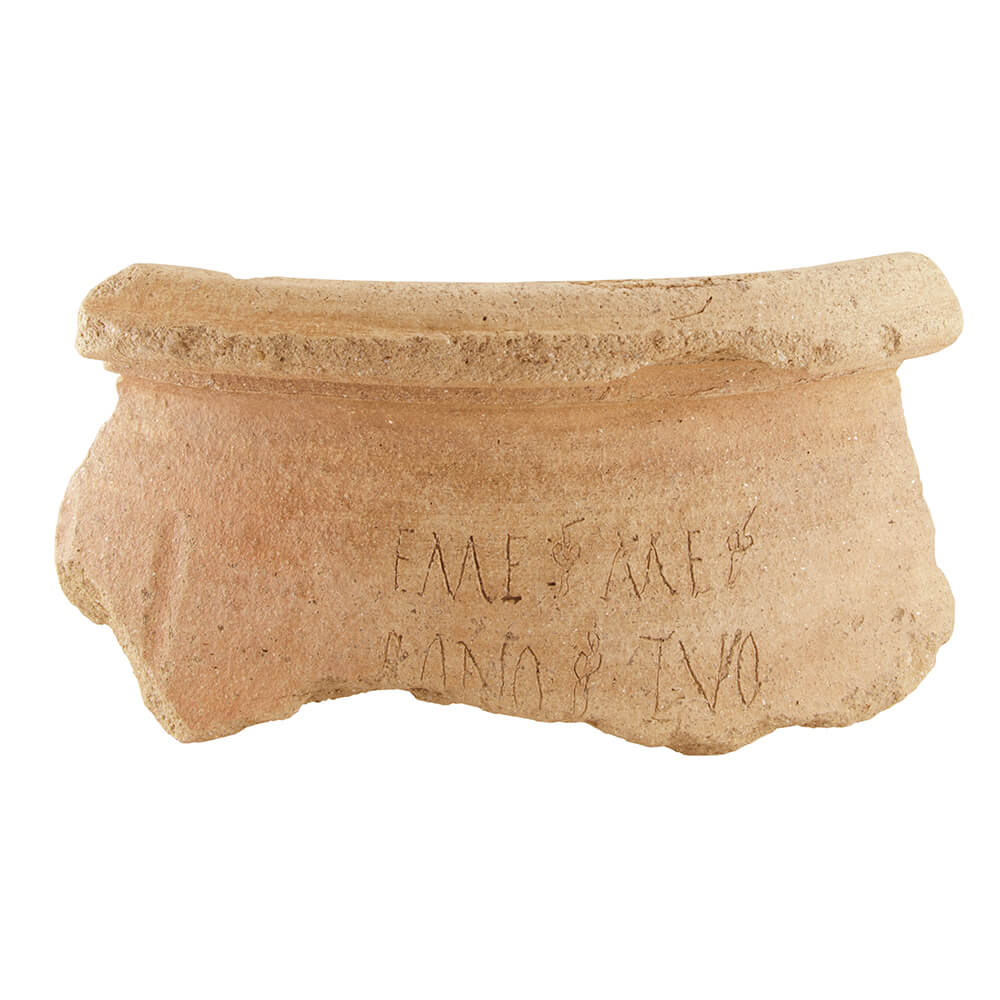
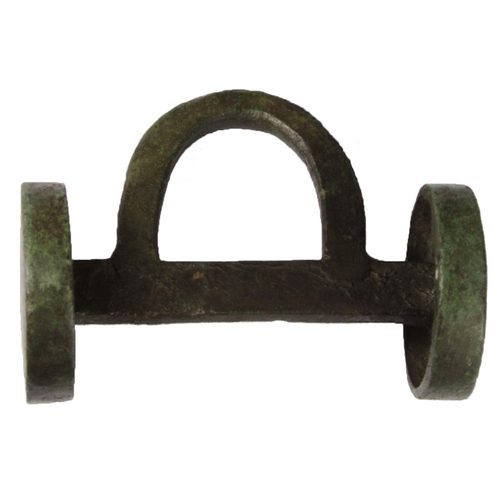
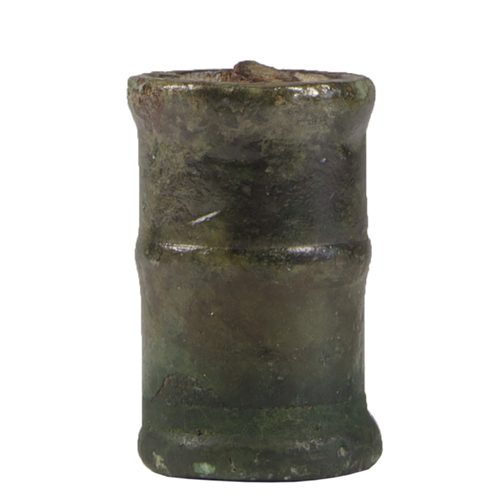
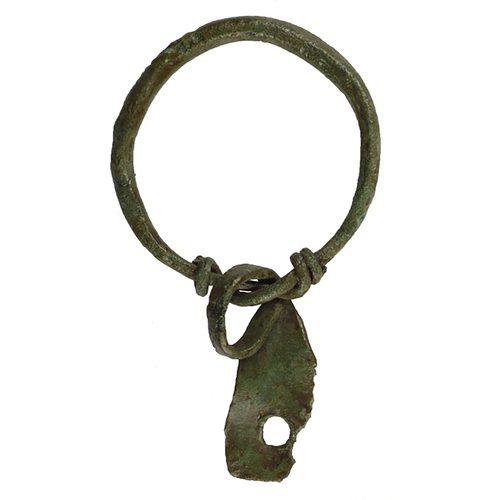
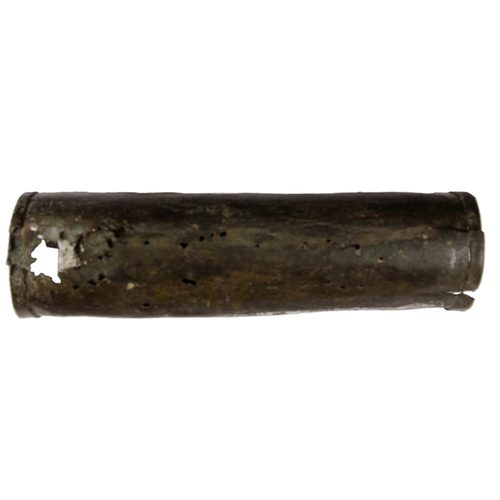
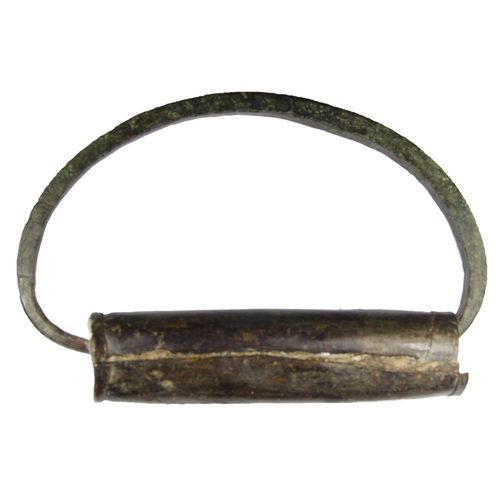
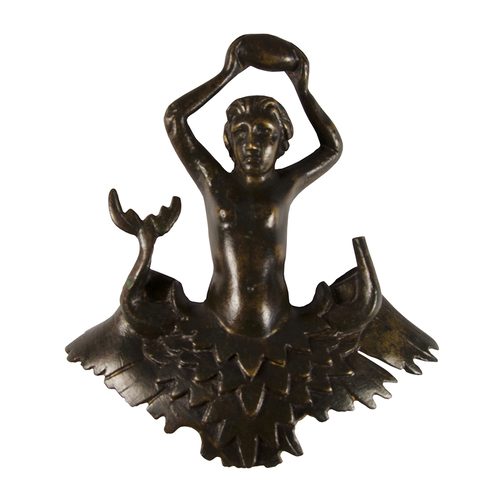
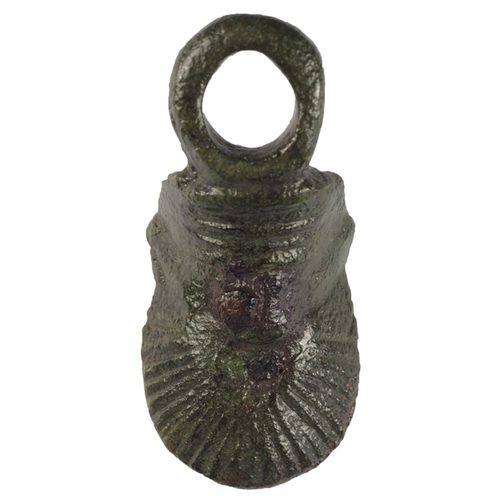
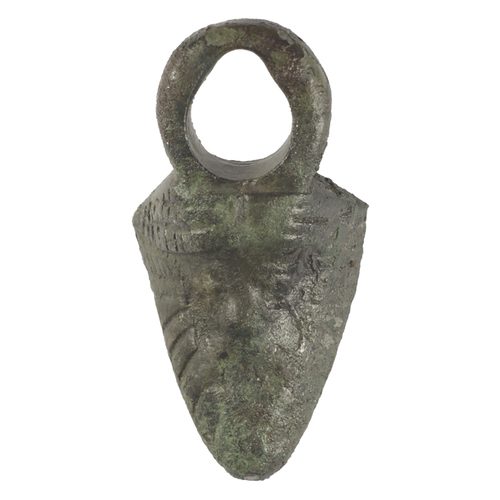
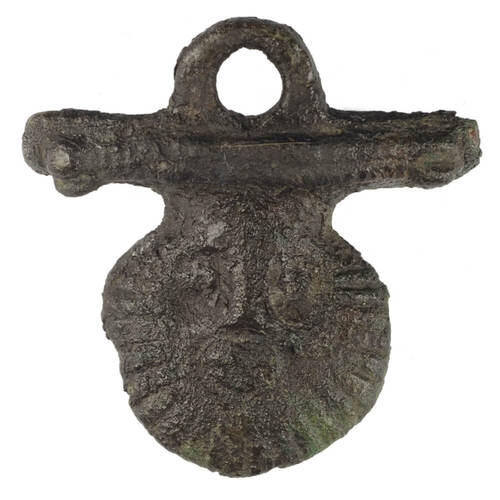
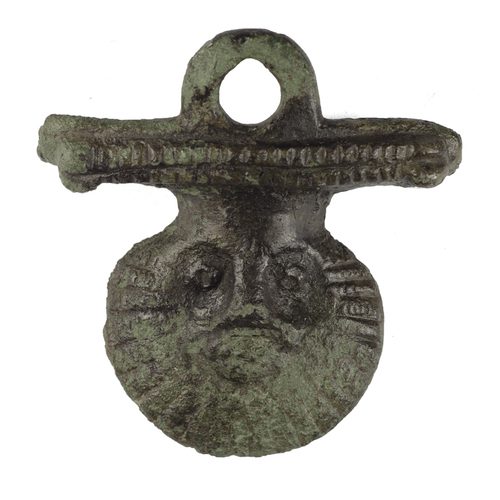
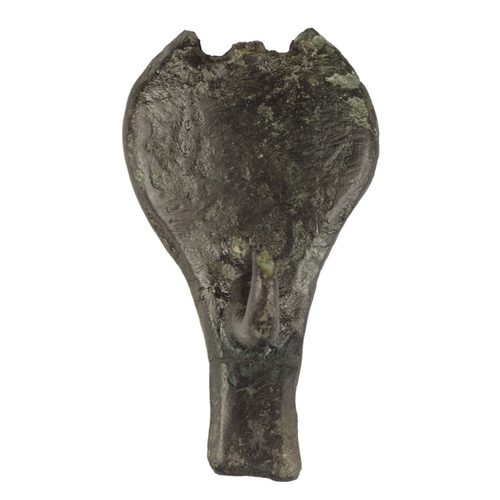
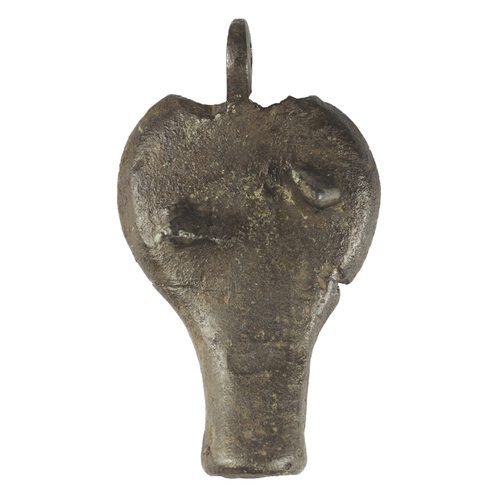
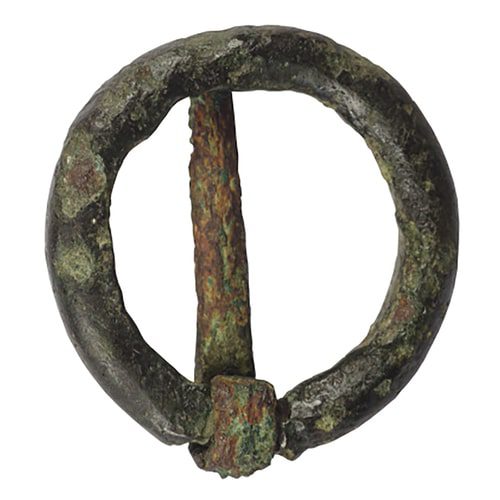
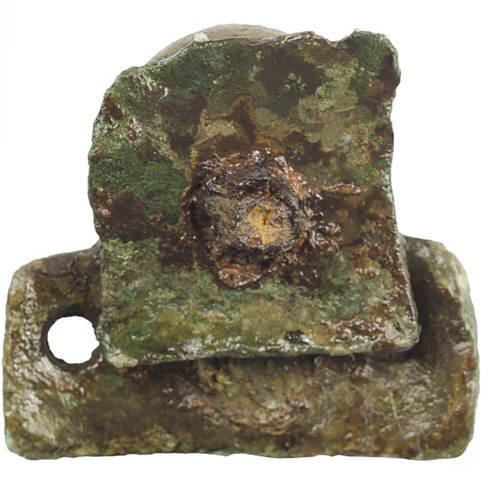
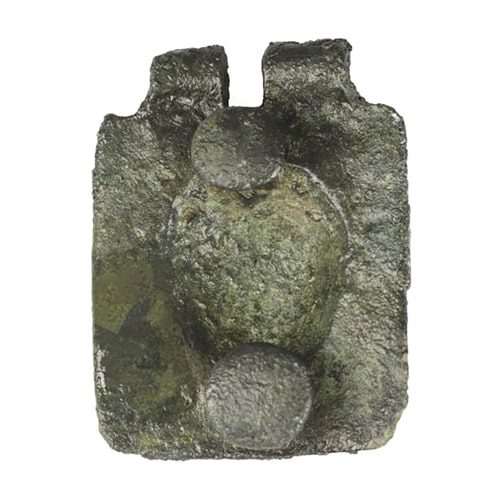
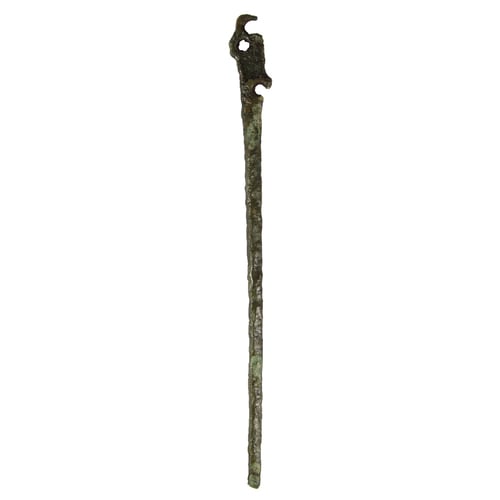
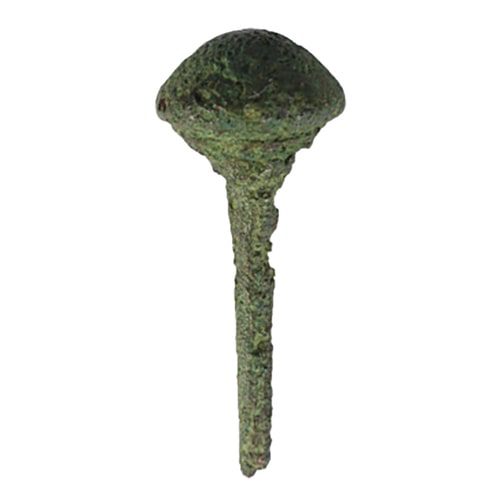
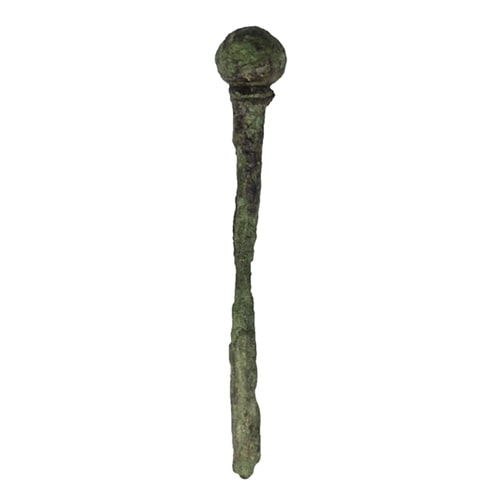
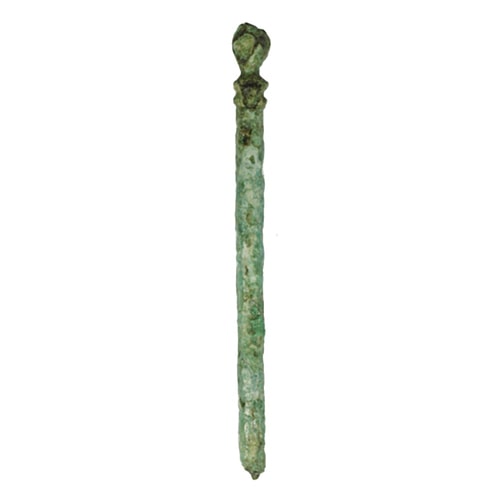
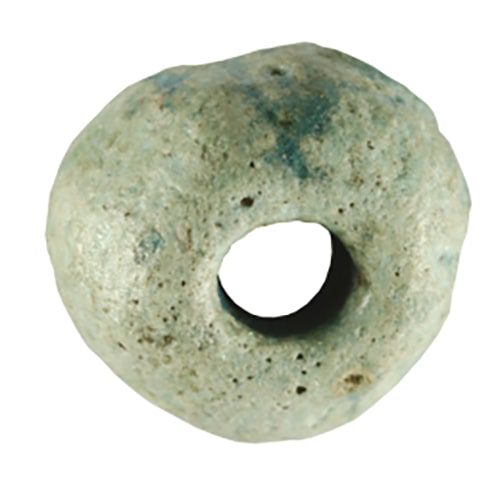
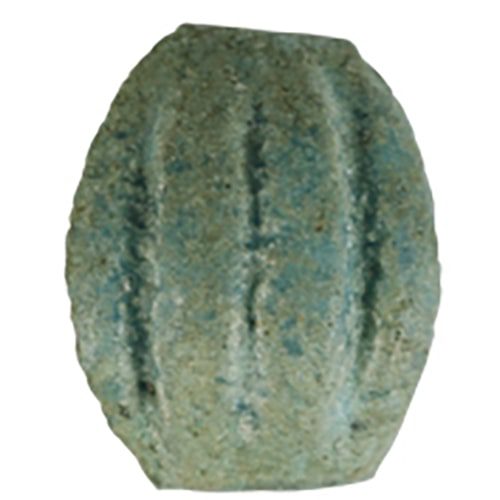
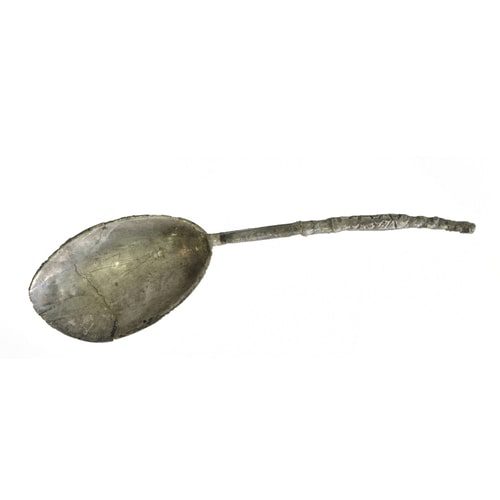
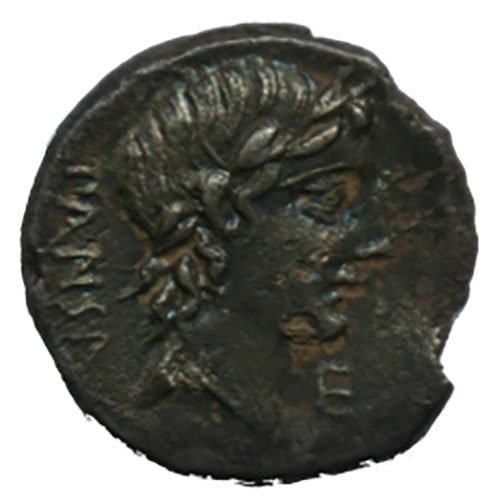
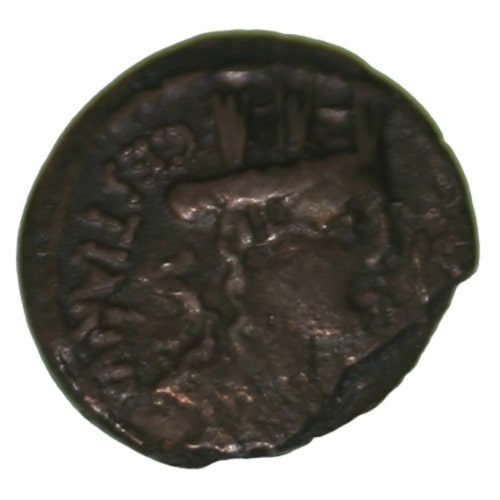
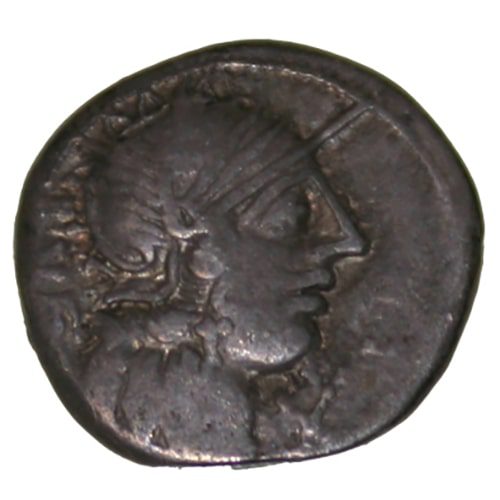
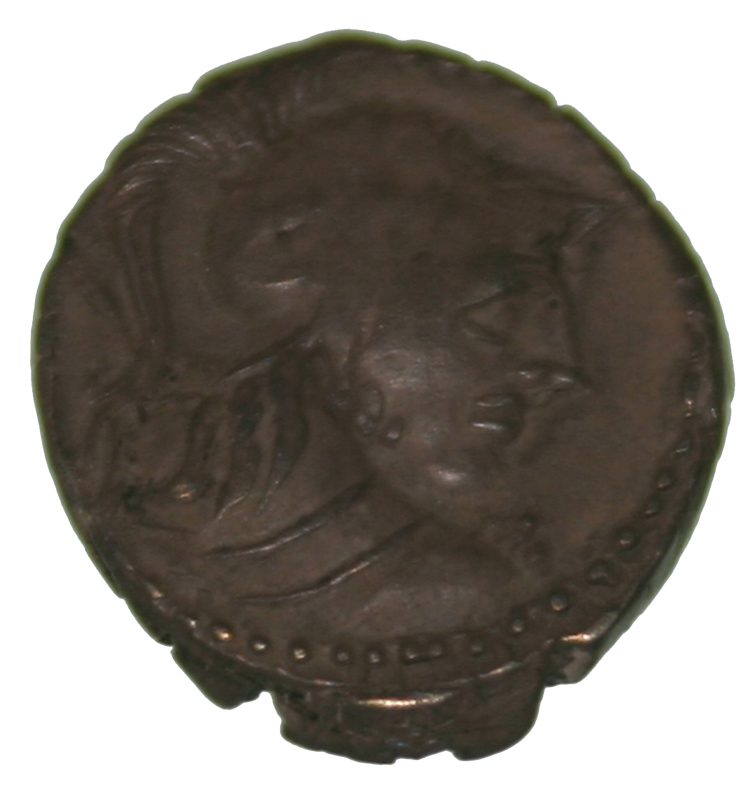
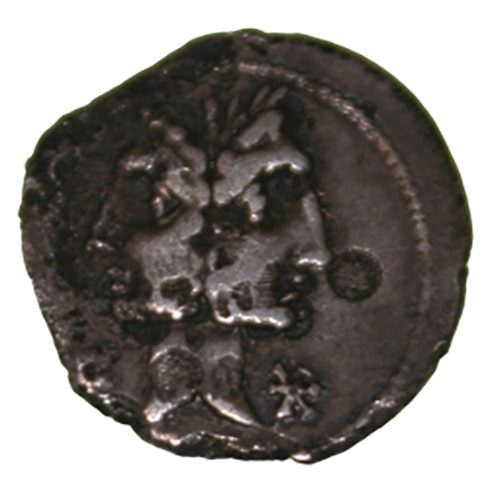
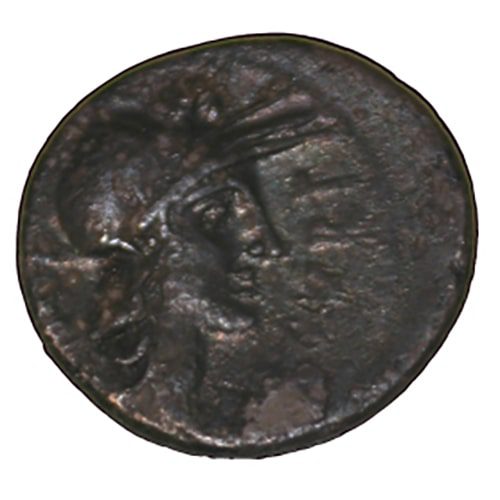
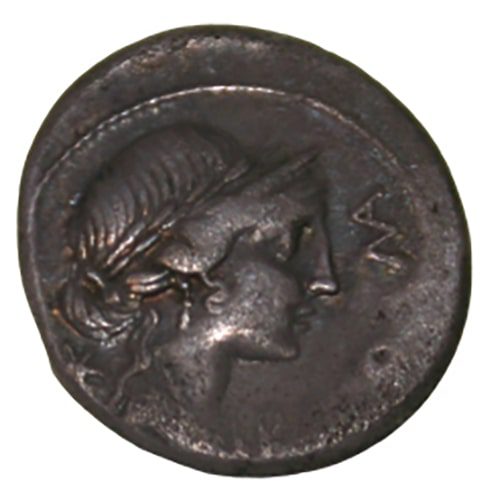
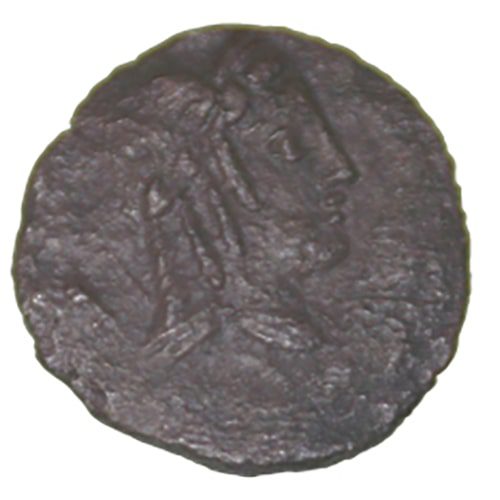
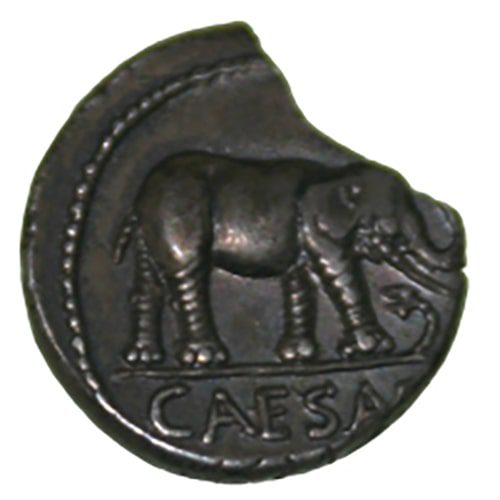
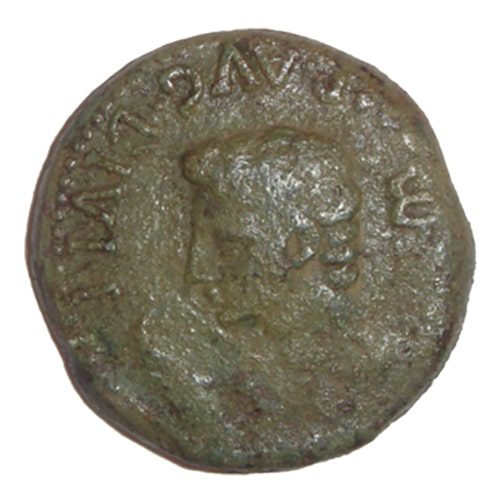
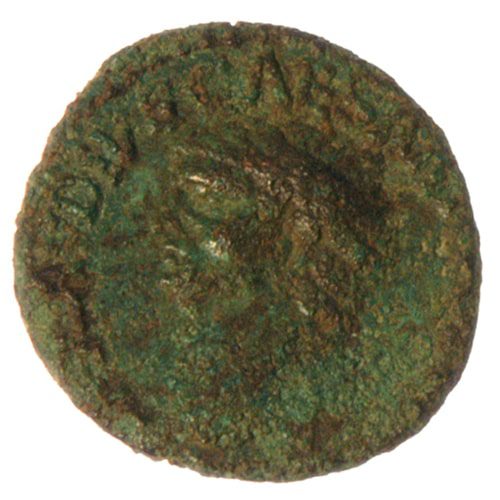
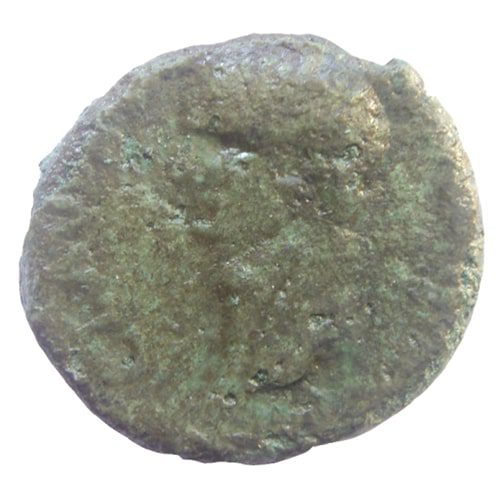
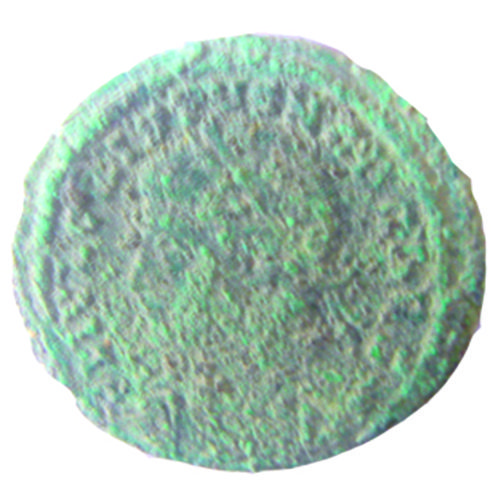
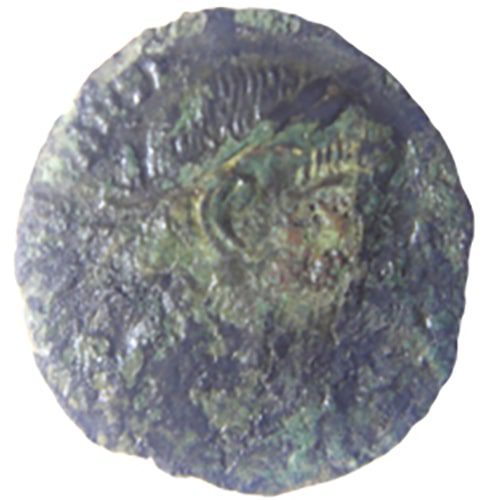
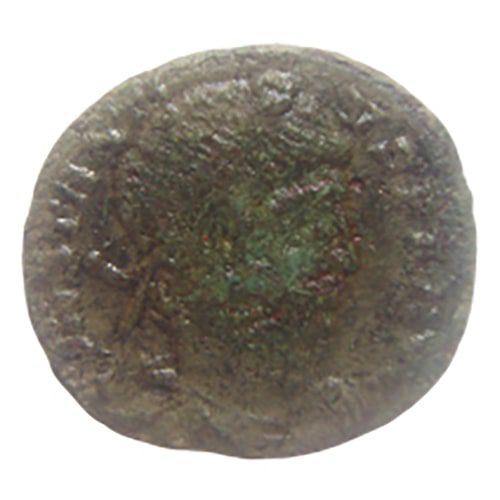
The conquest and definitive occupation of the north-western Iberian Peninsula, following the Cantabrian Wars (29-19 BC), marked the beginning of a profound political, economic and social transformation that gave rise to what Historiography has termed “Romanization”. This process resulted from a dynamic combination of resistance and assimilation, in which elements of the native cultural substrate persisted, retaining their identity within a broader framework of cultural fusion that blended Latin traditions with long-lasting indigenous elements. The administrative reorganisation carried out in the region, in accordance with Roman strategic planning, was structured around urban centres connected by an efficient road network and underpinned by a policy of economic development focused on the exploitation of natural resources. These substantial changes reshaped settlement patterns, particularly through the establishment of structures essential for the efficient use of territorial resources, including mining, agriculture, marine resources and the expansion of commercial activity.